Agroecology
One way of reading Ediblescapes as a living food system.
Observing Relationships
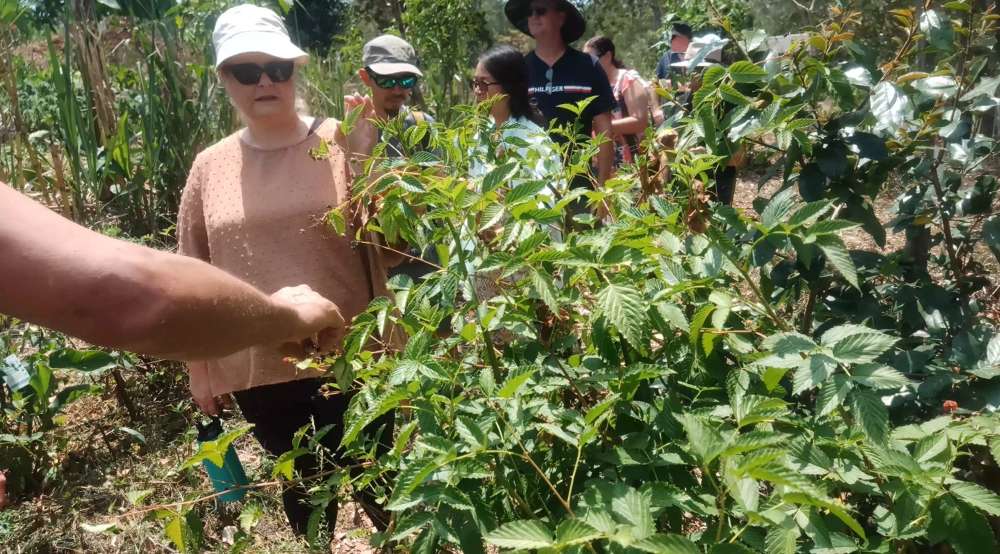
Agroecology invites us to observe relationships — between plants and soil, insects and flowers, people and place, food and culture.
At Ediblescapes, these connections can be observed throughout the garden. Diversity creates resilience. Soil organisms build fertility. Biomass returns nutrients to the earth. Food carries cultural knowledge. Communities learn, share and care together.
Agroecology views food systems as living ecosystems rather than production systems. Healthy food emerges from healthy soils, thriving biodiversity, shared knowledge and active community participation.
As you explore Ediblescapes, consider:
- How does diversity contribute to resilience?
- How does fertility circulate through the garden?
- What roles do soil organisms, insects and microorganisms play?
- How is food knowledge created and shared?
- How do communities participate in caring for living systems?
The stations within this lens can be explored in any order. Each offers a different perspective on the ecological, cultural and community processes that shape a living food system.
What this lens helps people notice
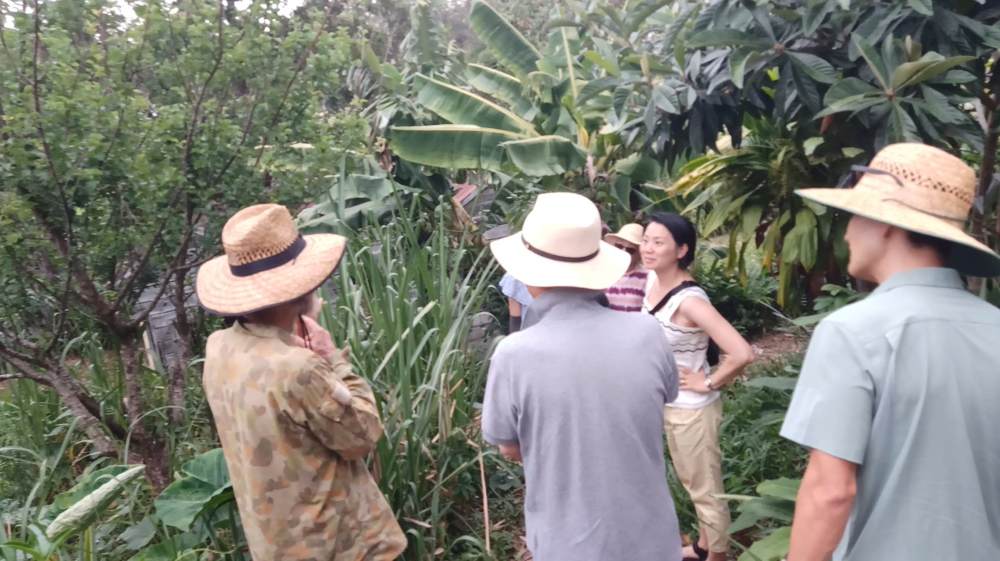
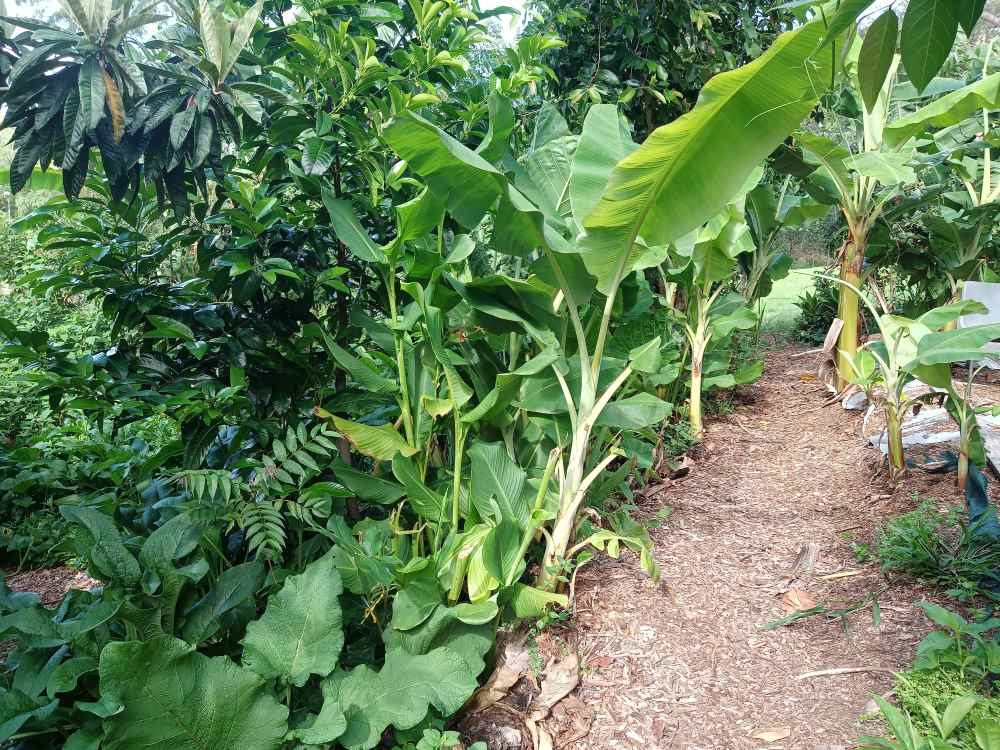
Through this lens, visitors can begin to notice the connections between ecological diversity and human participation. They may observe mixed planting, soil care, low-input growing, adaptive responses to climate, practical food use, collective work and the value of community knowledge in shaping the garden.
This lens also reveals that Ediblescapes is not organised as a commercial production system. It is a community-scale place where food growing, ecological regeneration and public learning are deeply connected.
How agroecology appears at Ediblescapes
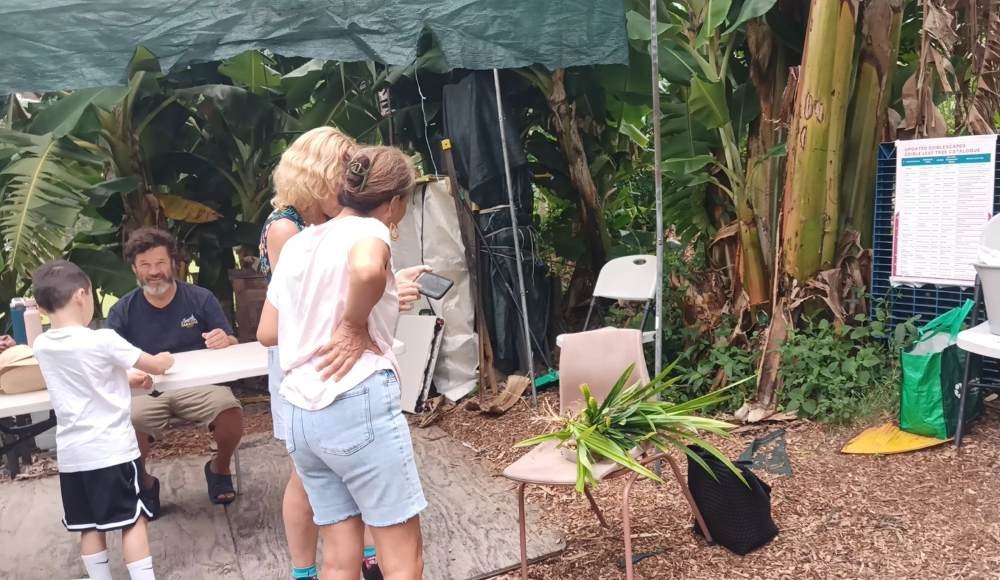
At Ediblescapes, agroecology appears through biodiversity, edible plant diversity, biomass recycling, shared labour, practical experimentation, community participation and the integration of ecological and social care.
Visitors may encounter this through Action Days, plant identification, food preparation, observation, discussion and the shared stewardship of a public edible forest garden.
Follow the Agroecology trail
Explore the stations connected to this lens and discover how ecology, food, knowledge and community come together within a living food system.
Explore these stations in any order. Each station highlights a different aspect of the ecological, cultural and community relationships that make up a living food system.
Continue through the lenses
Together, they become a journey in learning how to see the living world.
Visit Ediblescapes and explore agroecology in practice
See how biodiversity, community participation and ecological food growing come together in the daily life of the garden.