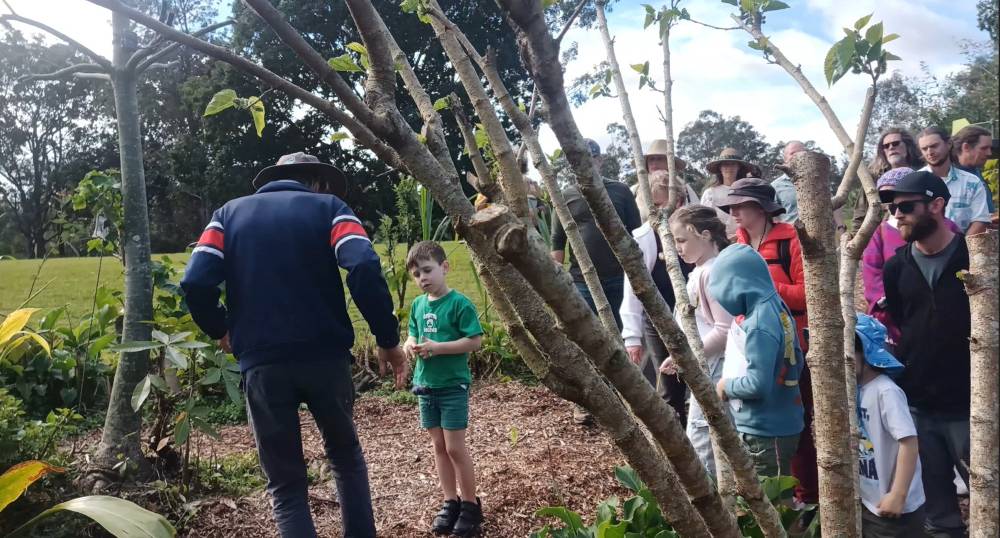
Commons-Based Community Garden
One way of understanding how people care for a shared living place together.
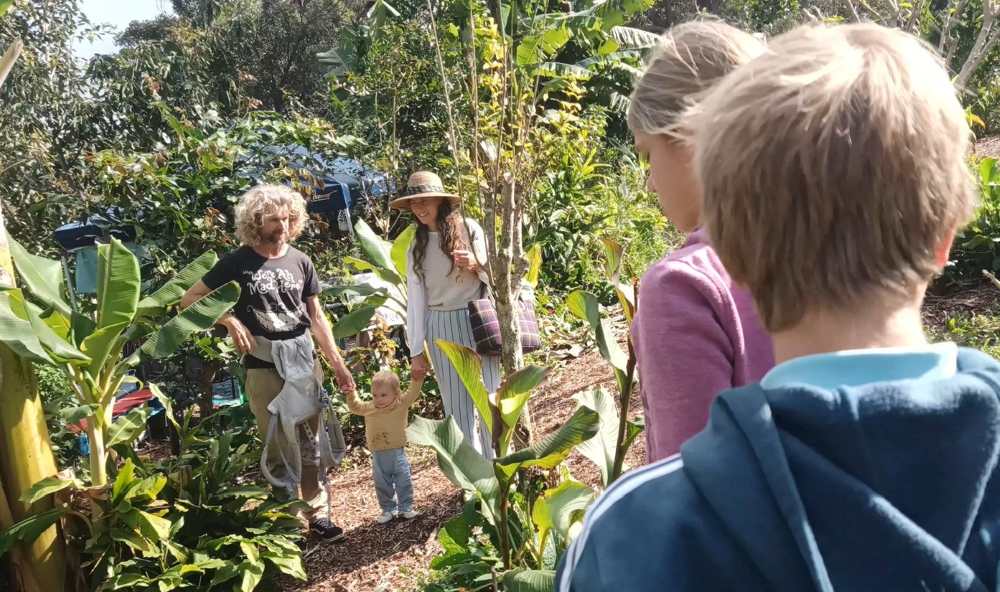
About this lens
This lens invites visitors to read Ediblescapes as a commons-based community garden — a shared place of care, learning and responsibility held in relationship with public land.
At Ediblescapes, the garden is not understood as a private collection, exclusive club or fenced-off project. It is a public open-space learning place where people can encounter living food systems, contribute care, learn through experience and imagine what shared stewardship can look like in practice.
This lens helps visitors understand that Ediblescapes is shaped not only by plants and design, but also by social agreements, participation, trust, reciprocity and a culture of care.
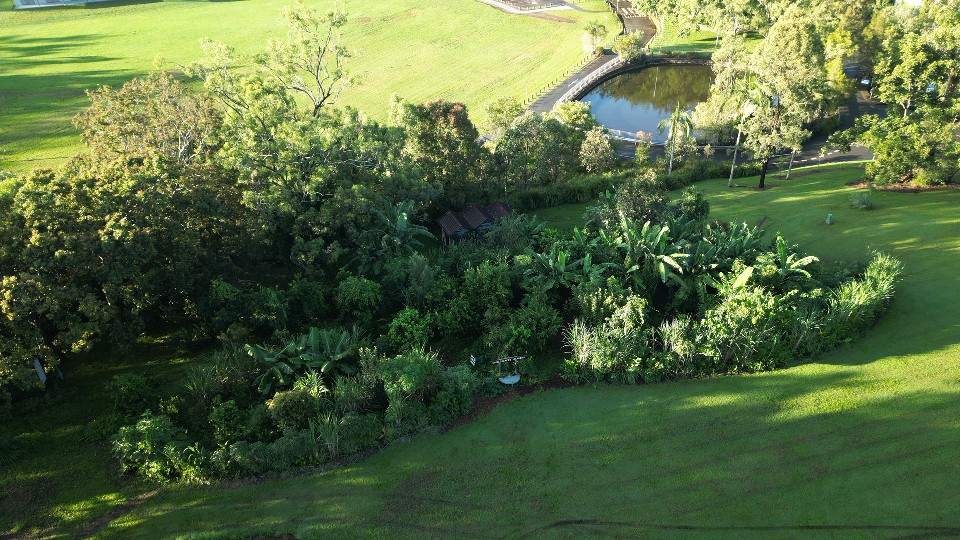
What this lens helps people notice
Through this lens, visitors can begin to notice pathways, shared access, collective work, informal learning, practical contribution, public participation and the social patterns that help hold a community garden together.
This lens also helps make visible that commons-based care is not passive. It requires ongoing relationship, observation, responsibility and a willingness to contribute to a shared place.
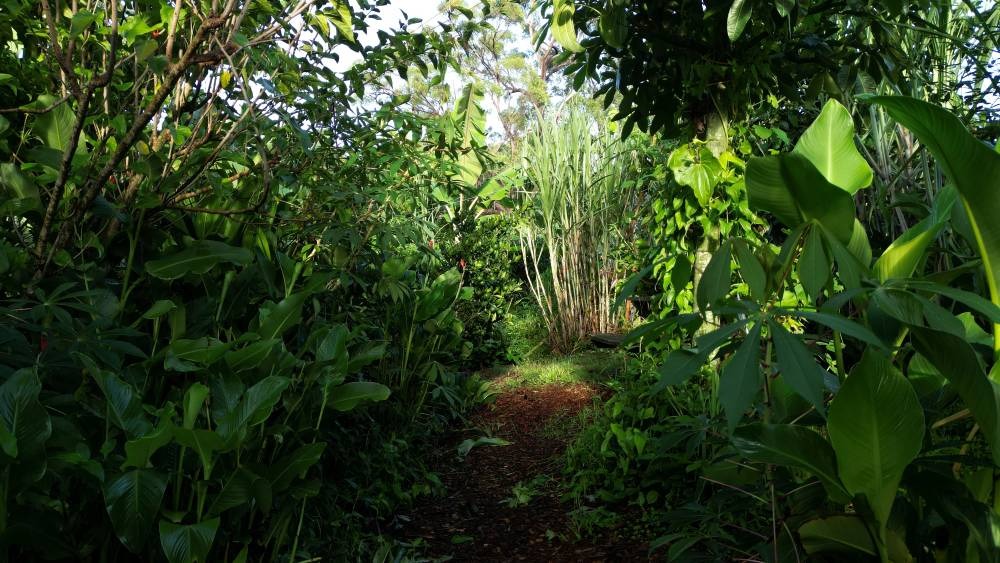
How commons-based practice appears at Ediblescapes
At Ediblescapes, this lens appears through open access, Action Days, volunteer participation, shared food experiences, public education and the continuing effort to care for the site as a living commons.
Visitors may encounter this through conversation, contribution, observation, signage, events and the practical culture of shared stewardship that gives the garden its social life.
Follow the Commons-Based Community Garden trail
Explore the stations connected to this lens to discover how participation, public access, stewardship and common land practice can be read through Ediblescapes.
Explore these stations in any order. Each station highlights a different aspect of the ecological, cultural and community relationships that make up a living food system.
Continue through the lenses
Together, they become a journey in learning how to see the living world.
Visit Ediblescapes and experience commons-based care in place
Explore how shared stewardship, public access and community participation shape the living culture of the garden.