
Reading the Living Garden, Through Practice and Time
The Ediblescapes Garden Journal documents what happens in the living garden, what we observe through practice, and what knowledge develops through gardening, gatherings, food, experimentation and cultural exchange.
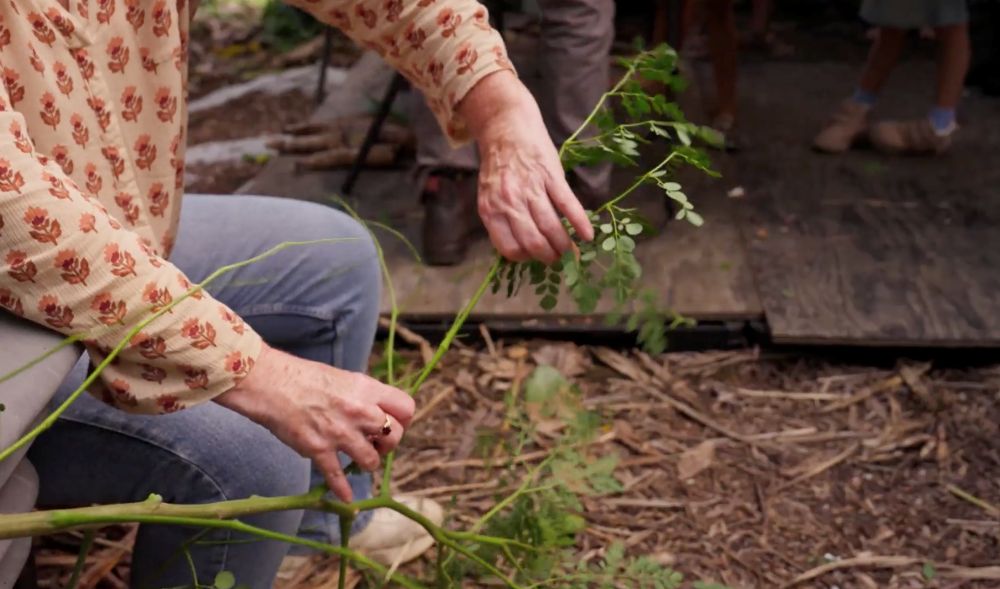
Garden Journal
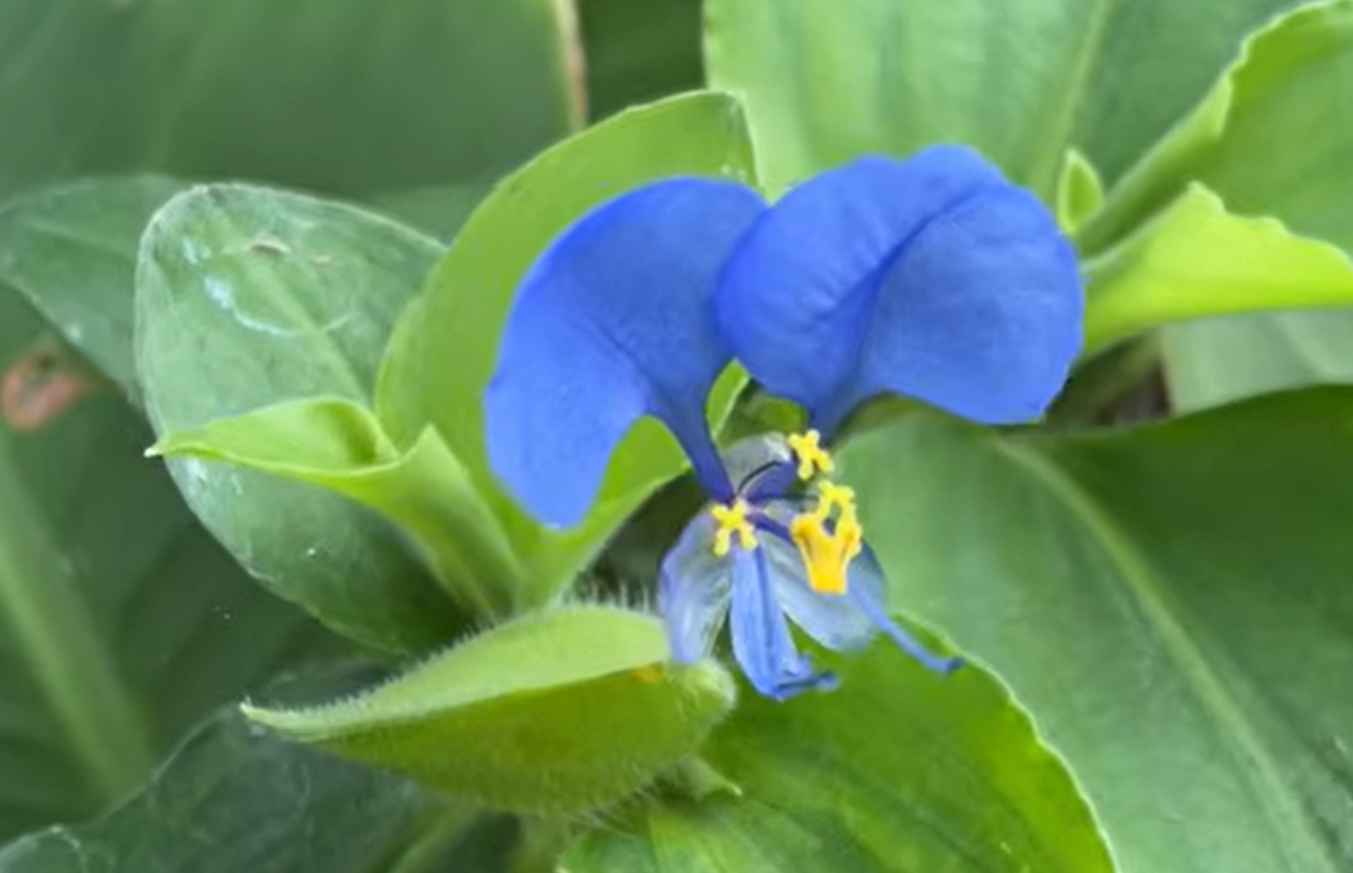
Commelina — A Spontaneous Food of the Living Garden
Three species of Commelina grow spontaneously at Ediblescapes Garden. Often regarded as weeds, these plants invite us to reconsider the relationships between spontaneous vegetation, edible plants, garden management and biocultural food knowledge. Through observation, research and shared experimentation, we are exploring what these plants can teach us.

September 2026 — Community Biocultural Food Gathering
The September Community Biocultural Food Gathering brought people together in the living garden to harvest, prepare, taste and share food while exchanging cultural knowledge, observations and questions.
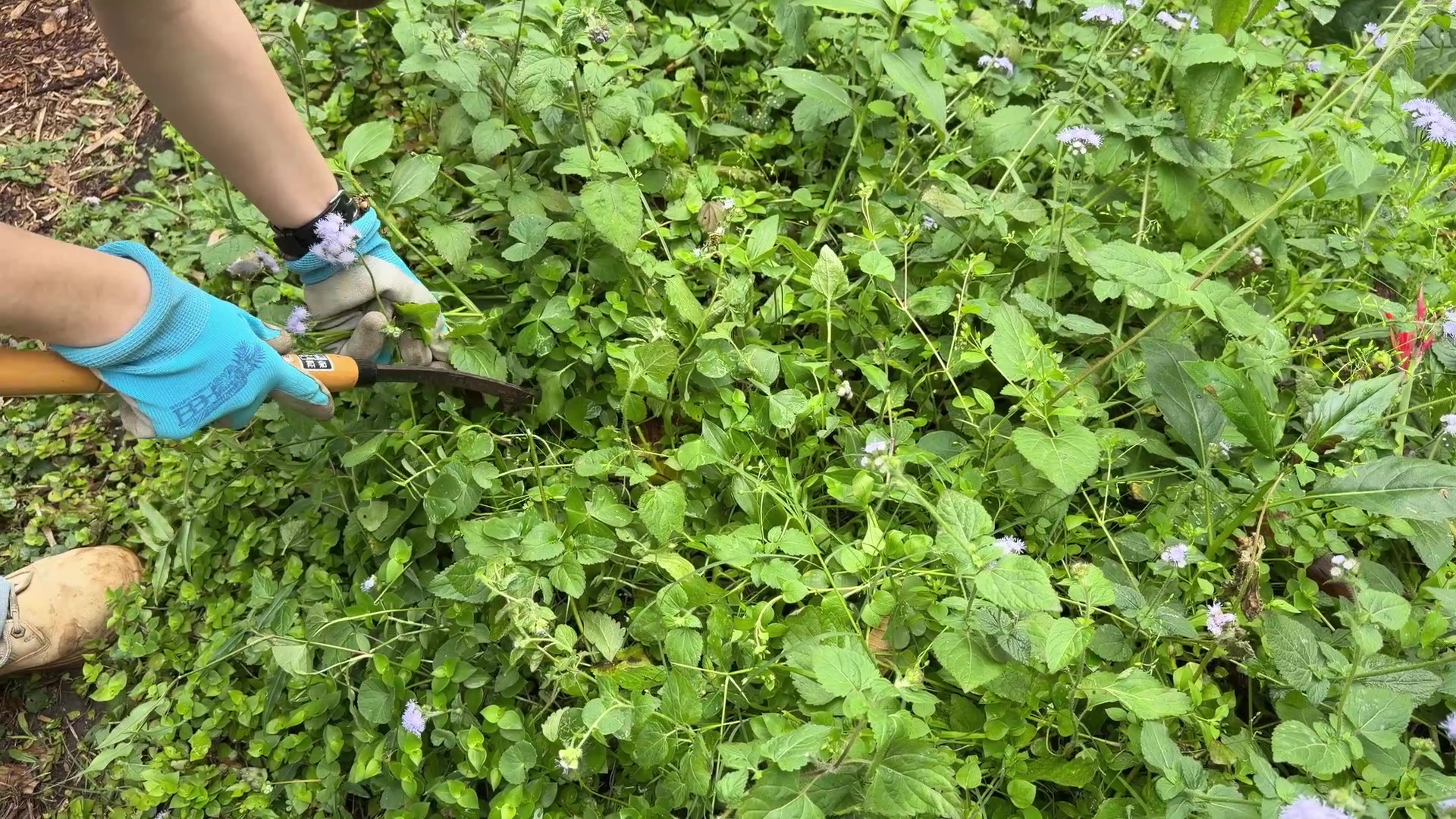
August 2026
A garden action does not finish when the gardener puts down the tool. Its ecological consequences continue, and observation tells us what response may be required next.
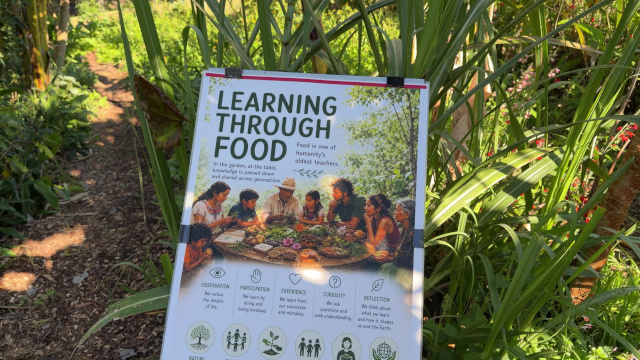
July 2026
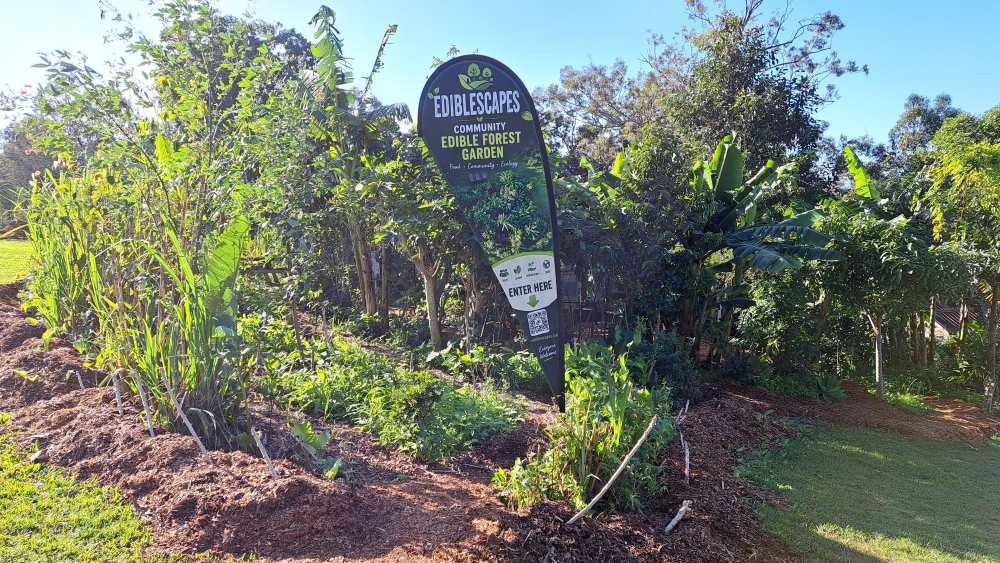
July was a month of deliberate observation in the 90 m² garden. No pruning, planting, mulching or other intervention was undertaken. Instead, we walked through the area, observed its condition and recognised its buen vivir—the wellbeing emerging from relationships already established within the living system.
90m2 Garden Journal
June was a month of pruning, sharing, learning and regeneration in the 90 m² observation area at Ediblescapes. The garden continued to demonstrate how food production, biomass cycling, community education and open-access harvesting can happen together within a public syntropic forest garden.
Ediblescapes 90m² Garden Journal – May 2026
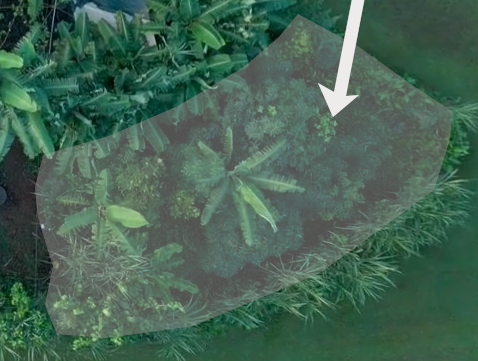
A monthly observation of a 90m² Biointensive–Syntropic food production area within the Ediblescapes Community Edible Forest Garden. During May 2026, the site produced food, generated 15.5m³ of biomass, established nearly 200 new plants, and received over 30,000 litres of rainfall while supporting community learning and participation.
August 2026
A garden action does not finish when the gardener puts down the tool. Its ecological consequences continue, and observation tells us what response may be required next.
July 2026
July was a month of deliberate observation in the 90 m² garden. No pruning, planting, mulching or other intervention was undertaken. Instead, we walked through the area, observed its condition and recognised its buen vivir—the wellbeing emerging from relationships already established within the living system.
90m2 Garden Journal
June was a month of pruning, sharing, learning and regeneration in the 90 m² observation area at Ediblescapes. The garden continued to demonstrate how food production, biomass cycling, community education and open-access harvesting can happen together within a public syntropic forest garden.
Ediblescapes 90m² Garden Journal – May 2026
A monthly observation of a 90m² Biointensive–Syntropic food production area within the Ediblescapes Community Edible Forest Garden. During May 2026, the site produced food, generated 15.5m³ of biomass, established nearly 200 new plants, and received over 30,000 litres of rainfall while supporting community learning and participation.
September 2026 — Community Biocultural Food Gathering
The September Community Biocultural Food Gathering brought people together in the living garden to harvest, prepare, taste and share food while exchanging cultural knowledge, observations and questions.
Commelina — A Spontaneous Food of the Living Garden
Three species of Commelina grow spontaneously at Ediblescapes Garden. Often regarded as weeds, these plants invite us to reconsider the relationships between spontaneous vegetation, edible plants, garden management and biocultural food knowledge. Through observation, research and shared experimentation, we are exploring what these plants can teach us.
The Garden Keeps Speaking
The monthly journal document what the garden is revealing today.
The annual reflections revisit what the garden has already taught us.
Together, they form a living archive of Ediblescapes — not as a finished project, but as an evolving relationship between people, plants, place and the more-than-human world.