Station
Growing Through Time
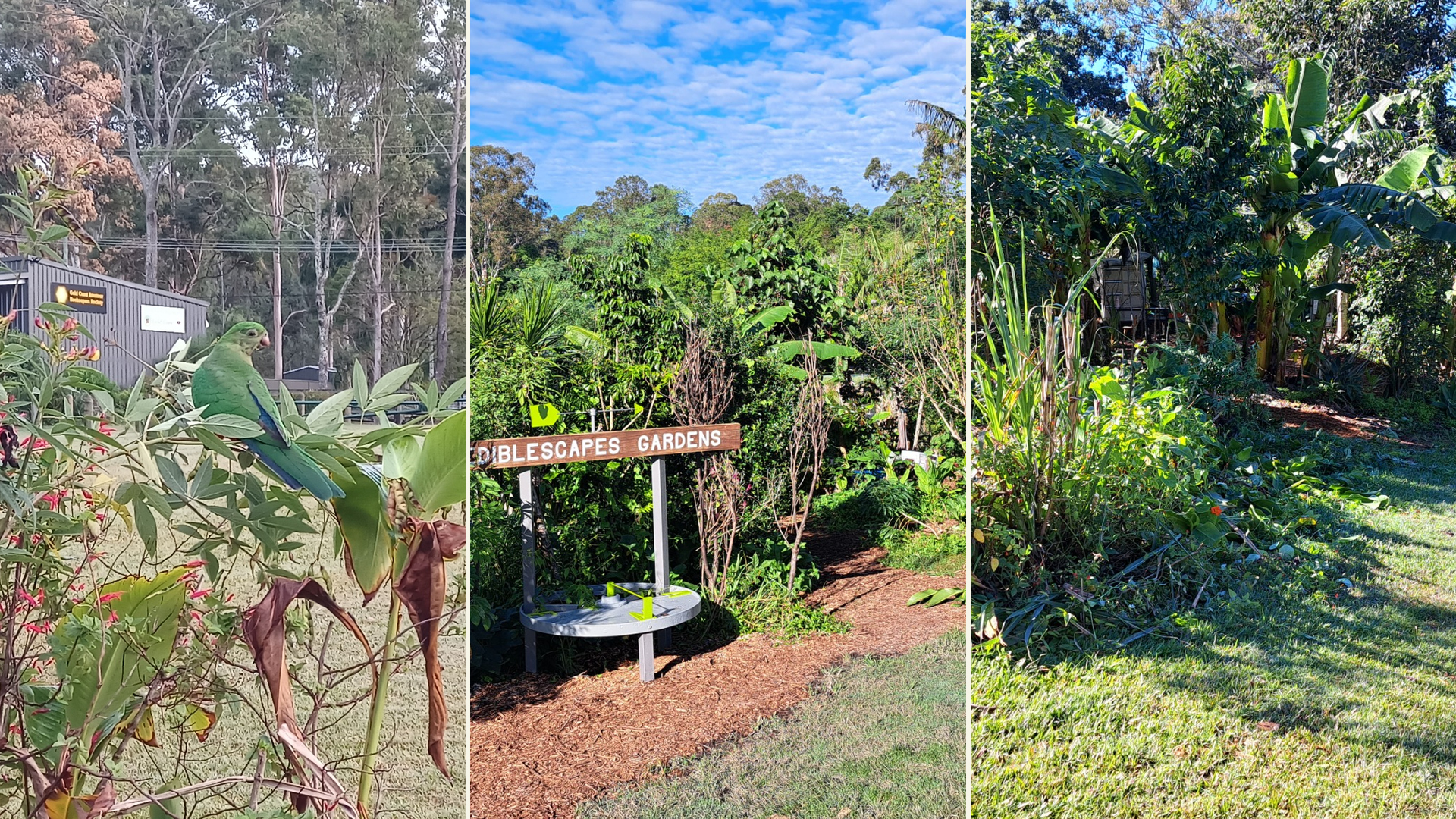
A garden changes every day, although some of its transformations become visible only after years.
Trees grow into canopy. Plants spread, disappear and return. Fallen material becomes soil. Shade changes what can grow beneath it. Birds, insects, fungi, weather and people continually reshape the living landscape.
But another kind of succession is also taking place.
People encounter the garden, return, participate, learn, remember and sometimes begin to care for it. Knowledge passes between people. Familiar places accumulate stories. Children grow. Volunteers come and go. New relationships begin while traces of earlier ones remain.
We might think of these as two intertwined processes: ecological succession and social succession.
Neither follows a perfectly predictable path. A plant may disappear. A person may leave. A design may become difficult to recognise beneath years of growth. New people and species enter the story.
A commons therefore does not appear fully formed simply because land or food is shared. A culture of common care develops through repeated relationships, responsibilities, memories and adaptations over time.
A garden can grow a canopy in a decade.
How long does it take to grow culture?
A question to consider
What has changed — and what continues?
Continue the trail
Explore all stations ▼
Read this place through another lens
Ediblescapes can be explored through many interconnected ways of reading the garden — including permaculture, syntropic practice, living biology, biocultural food knowledge, agroecology, and commons-based community care.