Station
The Conversation Continues
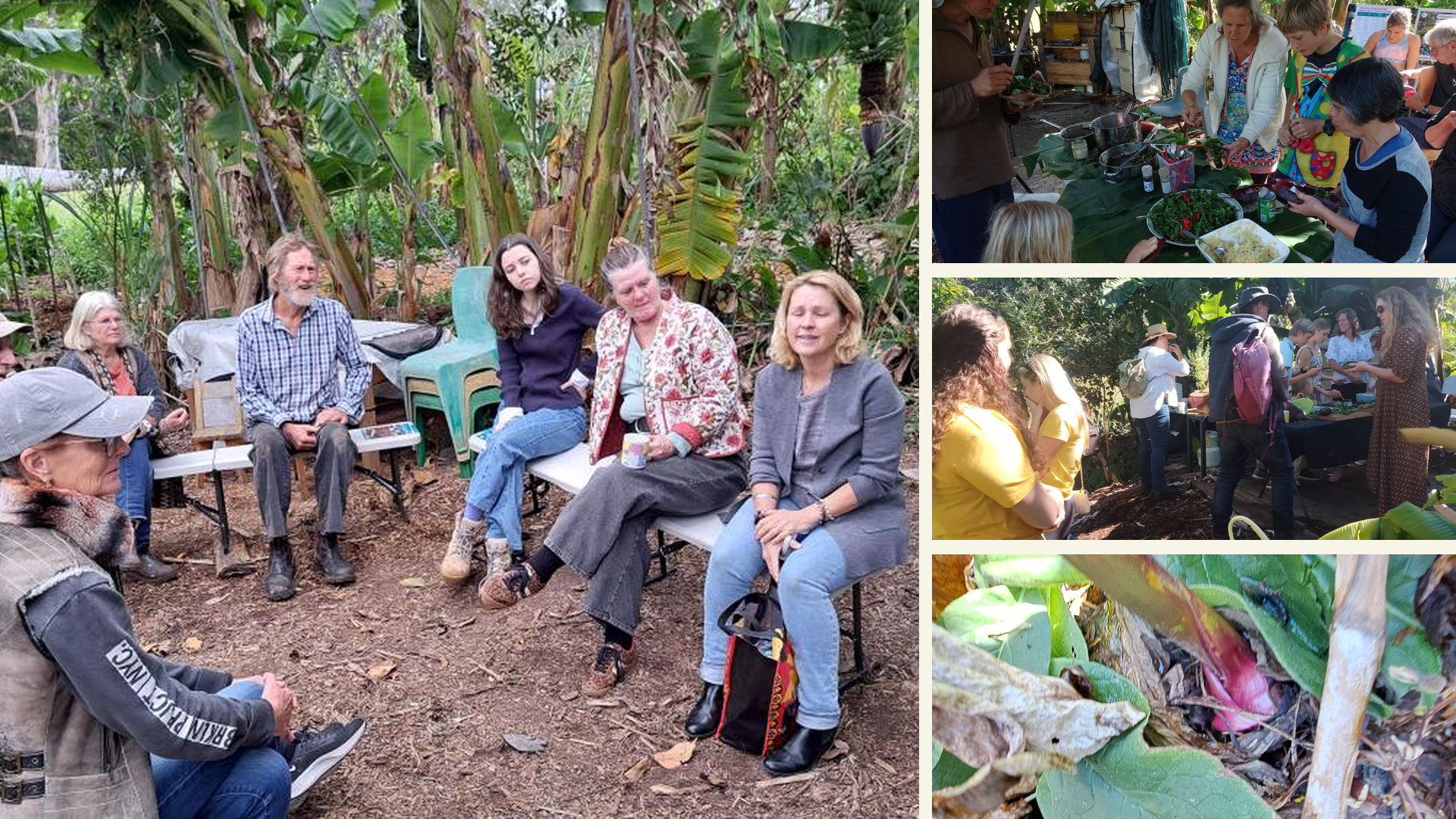
After moving through these conversations, the garden is still here.
The plants have not become a definition of the commons. The people we have encountered do not represent every community. The questions have not produced a single model for how a shared garden should be organised, cared for or understood.
Perhaps that is important.
The Commons Lens began by asking when we really enter a garden. Along the way, we have looked again at harvest, boundaries, cultural memory, collective making, time, soil, diversity, public responsibility and the knowledge and relationships that can travel beyond a garden's physical edges.
But a living place always contains more than we have noticed.
Someone else may enter through another path and encounter something completely different. A child may follow an insect we overlooked. A gardener may recognise a change in the soil. A visitor may recognise a food plant carrying memories from another place. Birds, roots, water, fungi and seeds continue their own relationships whether or not we are paying attention.
Ediblescapes is one situated expression within a much larger pluriverse of ways people cultivate, share and care for places in common. It is still changing, and the relationships through which it exists are still changing too.
The purpose of these twelve conversations has therefore not been to provide twelve answers.
They are invitations to practise another way of encountering a living place:
Look. Ask. Listen. Look again.
Perhaps you leave with an answer. Perhaps with a seed, a memory, a new relationship or something you want to try elsewhere.
Or perhaps you leave with a better question.
What conversation will you continue?
A question to consider
What conversation will you continue?
Continue the trail
Explore all stations ▼
Read this place through another lens
Ediblescapes can be explored through many interconnected ways of reading the garden — including permaculture, syntropic practice, living biology, biocultural food knowledge, agroecology, and commons-based community care.