Station
Caring for Public Land Together
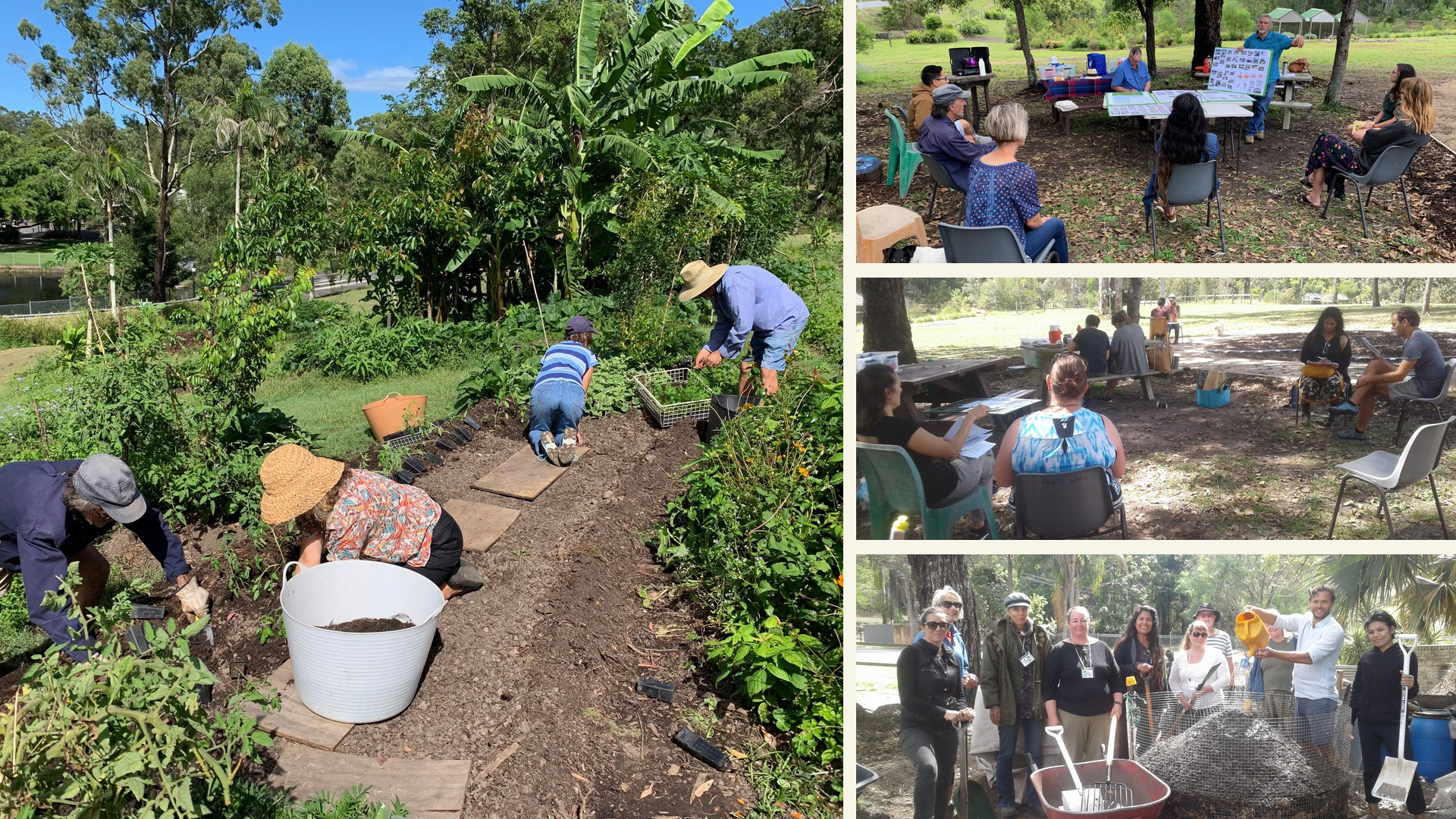
Public land belongs within a wider system of public responsibility. But responsibility for a place is not expressed only through administration, regulation or maintenance.
Communities can also develop deep relationships of care with public places.
At Ediblescapes, people have planted, pruned, composted, observed, learned, gathered, shared food and returned over many years. Through repeated participation, knowledge of the living place accumulates: what grows here, what struggles, what changes with the seasons, what needs attention and what relationships have developed around it.
This kind of community stewardship does not replace the responsibilities of the public institution that governs the land. Nor does public ownership alone create a commons.
A living commons can emerge through relationships of care, responsibility, communication and participation between communities and the institutions responsible for public resources.
These relationships are not always simple. Different responsibilities, knowledge, expectations and decisions can meet in the same place. Caring together therefore requires more than physical work. It also requires listening, communication, recognition and meaningful opportunities to participate in conversations affecting the place being cared for.
Stewardship without relationship can become maintenance. Public governance without participation can become administration.
A commons asks how these can remain connected.
At Ediblescapes, this remains an ongoing conversation rather than a finished model.
Where do care and responsibility meet?
A question to consider
Where do care and responsibility meet?
Continue the trail
Explore all stations ▼
Read this place through another lens
Ediblescapes can be explored through many interconnected ways of reading the garden — including permaculture, syntropic practice, living biology, biocultural food knowledge, agroecology, and commons-based community care.