
Infusiones
Community Biocultural Extension
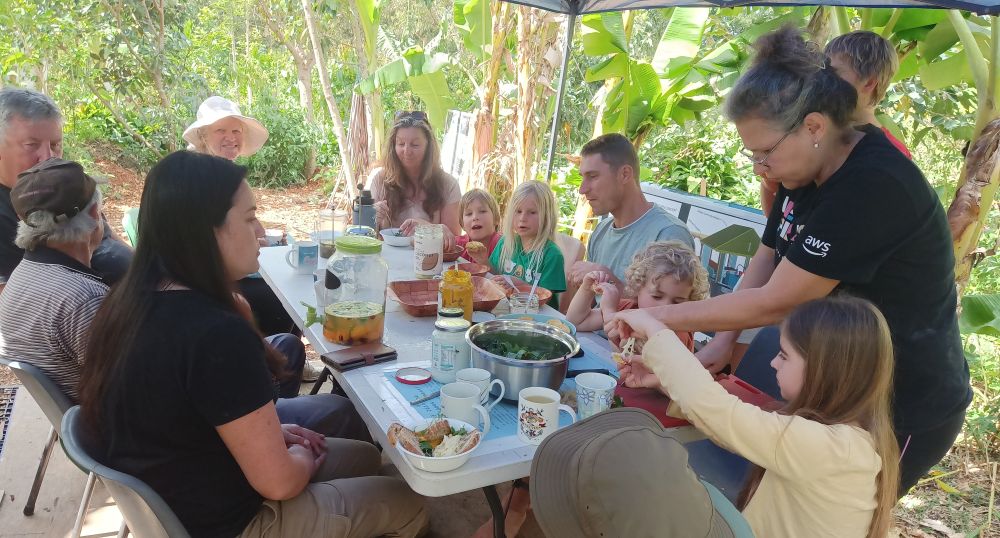
What is Infusiones?
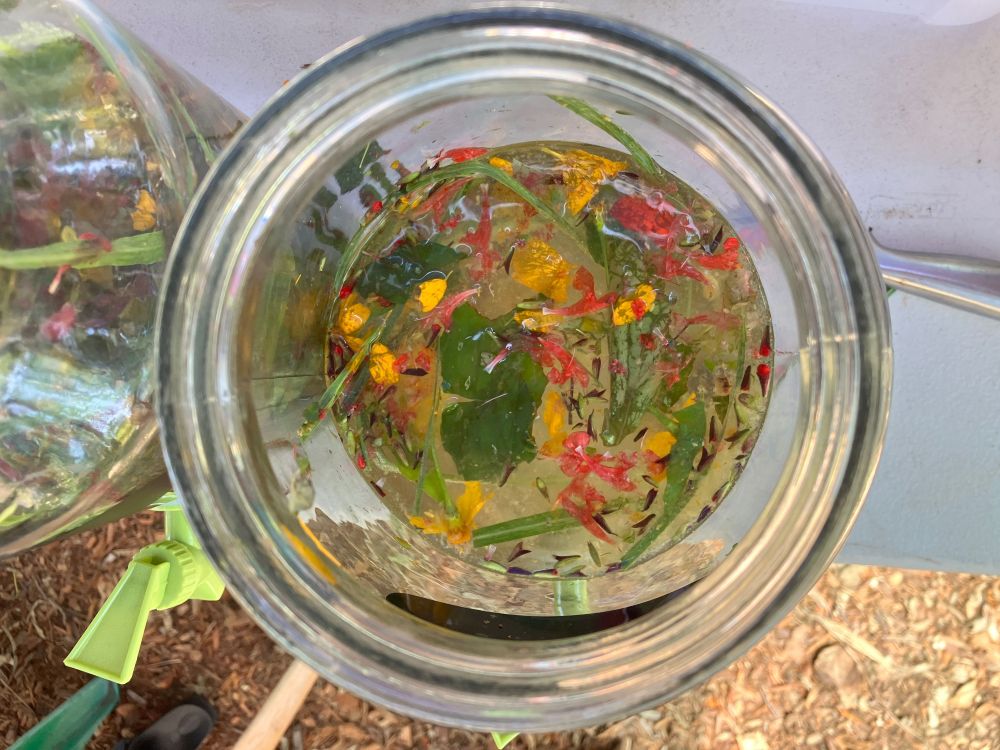
Infusiones is an ongoing community biocultural extension program of Ediblescapes Inc., now entering its first stage of activities across the Gold Coast.
Growing from the living experience of Ediblescapes Garden in Nerang, Infusiones brings people together to explore botanical diversity, food knowledge and community cooperation.
We begin with tree leaves and botanical beverages — exploring how suitable plants can be grown, identified and responsibly prepared as warm or refreshing drinks.
But Infusiones is about more than preparing drinks.
It is a community learning initiative rooted in agroecological practice, cultural exchange and shared investigation.
We seek to strengthen community food sovereignty by supporting people's capacity to grow food, understand its preparation and participate in decisions about the knowledge and practices they share.
Our purpose is not to develop commercial botanical formulas or claim exclusive ownership of shared food knowledge.
Instead, we invite people to cultivate, investigate, learn and care together.
Growing from Ediblescapes Garden

Ediblescapes Garden is a community edible forest garden developed since 2017 within approximately 1,000 square metres of public parkland at Country Paradise Parklands, Nerang, Gold Coast.
It is a living place of agroecological experimentation, community participation and practical food education.
Our gardening draws inspiration from permaculture, natural gardening, Indigenous ecological knowledge, agroecology, edible forest gardening, biointensive cultivation and syntropic agroforestry.
Through dense, multi-species and multilayered planting, we explore how plants grow together, contribute organic matter, support soil development and provide useful foods.
The garden brings together local and Australian native vegetation, widely cultivated introduced plants and less familiar species associated with different geographical origins and cultural food histories.
This botanical diversity creates opportunities to explore connections between plants, languages, memories and food traditions.
Infusiones grows from this experience.
The garden remains our living place of learning, while the program extends these relationships into households, community gardens and other shared spaces across the Gold Coast.
Exploring Botanical Diversity
Tree leaves are at the heart of Infusiones.
We explore selected species, their cultivation, botanical identity, documented food uses and suitability for particular beverage preparations.
Our interest also connects with two other groups of plants within the edible forest garden.
Climbing plants and edible vines
Climbing plants contribute to the garden's layered growing system. We explore their vegetative parts, established culinary uses and questions about possible preparations.
Spontaneous edible plants — our buenazas
Some wild or volunteer plants growing in the garden are recognised as edible species.
We affectionately call these useful plants buenazas.
They are part of our community food-learning activities, including responsible identification, harvesting and preparation for appropriate raw or cooked foods.
The diversity of taste
Biocultural diversity is also experienced through the diversity of taste.
Aromas, flavours, temperatures and food preparations connect with personal preferences, cultural memories and everyday experiences.
Infusiones welcomes this diversity. We do not prescribe one botanical drink or a daily consumption routine.
We invite people to explore suitable preparations through shared learning and informed choices.
Not every edible plant is suitable for an infusion. Different species, plant parts and preparation methods may have different safety requirements.
We distinguish between plants being investigated and specific preparations whose suitability for consumption has been adequately assessed.
Food Knowledge, Safety and Community Research
At the heart of Infusiones is a practical question:
What actually passes from selected leaves into the water we drink?
We are interested not only in what plants contain, but in the beverages people prepare and consume.
Preparation makes a difference.
Fresh or dried leaves, quantities, water temperature and preparation time can influence the resulting drink.
We explore hot infusions, decoctions, cooled preparations and cold-water infusions where the particular plant and method are suitable.
Our developing research seeks to understand which minerals and other constituents transfer into water, in what concentrations and with what nutritional and food safety implications.
Where relevant, this includes serving quantities, consumption frequency and potential cumulative exposure.
The presence of a compound in a plant does not automatically establish a health benefit or guarantee safety.
A dialogue of knowledges
Food knowledge comes from many sources.
Indigenous, farming, family, migrant and other communities hold experiences and traditions that deserve recognition and respectful consideration.
Infusiones values these knowledge traditions alongside scientific investigation, including sources and research beyond the English-speaking world.
We seek to understand how different forms of knowledge can contribute to responsible food practices without assuming that traditional use alone establishes safety.
Community-based scientific collaboration
We welcome collaboration with universities, researchers, food scientists and community science initiatives.
Our research questions arise from practical experience in the edible forest garden and community preparation of botanical beverages.
We seek reliable scientific methods, meaningful community participation and findings that can be understood and used by the communities involved.
Research relationships should respect consent, attribution, cultural knowledge and shared responsibilities.
The garden provides the living questions. Community practice shapes the investigation. Scientific collaboration helps us examine the evidence.
Infusiones is a community food education program, not a medical or therapeutic service. We do not prescribe botanical beverages or claim that they prevent, treat or cure disease.
Community Biocultural Extension
Infusiones brings practical food learning into community spaces across the Gold Coast.
We are beginning with small-scale activities that encourage curiosity, conversation and participation.
These may include community garden gatherings, neighbourhood activities, multicultural events, local food initiatives and community science activities.
Depending on the activity, participants may encounter:
- Demonstrations of botanical identification, harvesting and preparation.
- Opportunities to explore appropriately assessed botanical beverages.
- Conversations about cultural food traditions, flavours and experiences.
- Practical learning about growing edible plants in community and household settings.
- Shared questions and findings from community-based research.
Tastings are offered only where the plant material, preparation and handling have been adequately assessed for food safety and applicable requirements.
We recognise that communities bring different languages, cultural experiences and ways of understanding plants.
Community extension is therefore a reciprocal process, not simply the transfer of information from Ediblescapes to others.
What we learn in the garden can travel into the community. What communities share can enrich what we learn in the garden.
Community Cooperation and Sustainability
Infusiones grows through community cooperation.
We welcome people who wish to participate as Co-operators, contributing according to their interests, knowledge, abilities and available time.
Co-operation may involve cultivation, responsible harvesting, preparation, community activities, documentation, research or practical organisational support.
Participation is not defined primarily by purchasing products or making monetary contributions.
We seek relationships based on reciprocal learning, ecological responsibility and community food sovereignty.
We are also exploring a Community Supported Enterprise (CSE) approach to help sustain the program.
This involves developing appropriate ways to meet operating costs, recognise the work required and support continuing community activities.
Ediblescapes Garden is a small agroecological learning place, not a source for large-scale commercial botanical production.
Over time, cooperation may support connections with other gardens, growers, researchers and community organisations interested in locally adapted food-growing practices.
The program's arrangements will develop through practical experience and community dialogue.
Join the Exploration
Infusiones is entering its first stage of community activities, and we welcome people who would like to take part.
You do not need to be an experienced gardener, scientist or herbal specialist.
You may be interested in growing food plants, sharing cultural food knowledge, exploring botanical preparations, helping at community gatherings or contributing to community-based research.
We welcome conversations with community gardens, neighbourhood groups, multicultural organisations, educators, universities, researchers and other potential collaborators.
As the program develops, we will share experiences, questions and findings through Ediblescapes' community activities and Garden Journal.
Infusiones is an invitation to cultivate, investigate, learn and care together.
The garden is our living place of learning. The community is where that learning continues.
An ongoing community biocultural extension program of Ediblescapes Inc.
Ediblescapes Garden — Country Paradise Parklands, Nerang, Gold Coast, Australia.