
October 2026
Unexpected spring rainfall stimulated extraordinary spontaneous plant growth, challenging propagation practices and renewing questions about biomass, regeneration and community food culture.
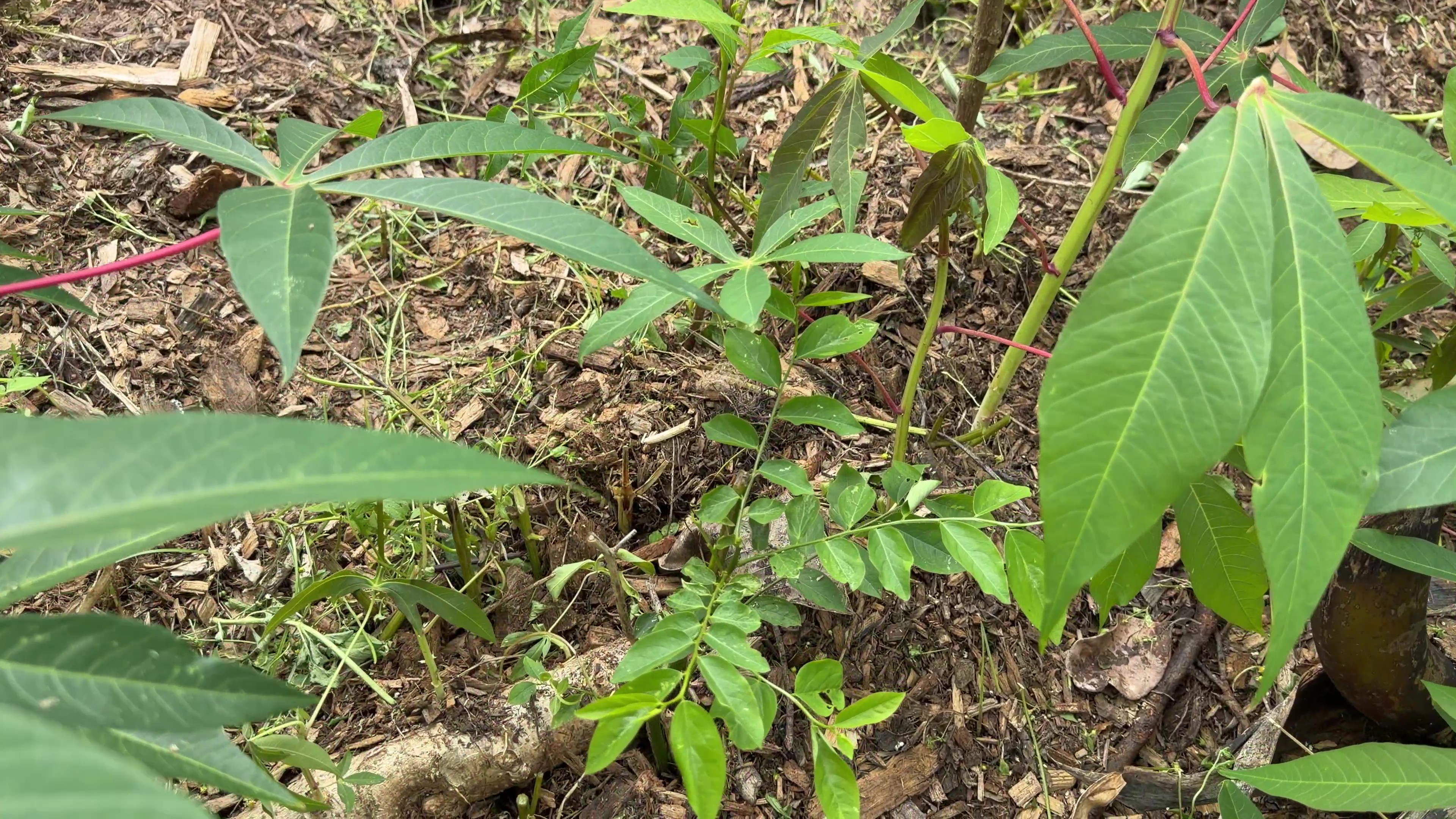
Weather and Seasonal Conditions — An Unexpectedly Wet October
October brought unexpectedly wet conditions to Ediblescapes Garden, contrasting with the drier spring weather for which gardeners had been preparing.
The Bureau of Meteorology recorded 186.2 mm of rainfall at Gold Coast Seaway during October 2026, approximately 210% of the station's historical October average of 88.5 mm.
Although this coastal station does not measure rainfall directly at Ediblescapes, it provides a useful regional reference. The garden is situated at Nerang, near the foothills of the Gold Coast Hinterland, where local topography and moisture conditions can differ from those experienced along the coast.
Repeated rainfall stimulated vigorous spontaneous vegetation growth throughout the 90 m² experimental area.
Mulch previously distributed in preparation for dry conditions remained persistently wet. In some propagation areas, direct contact with the wet mulch contributed to deterioration and rotting of plant cuttings.
Similar episodes of extraordinary vegetation growth had occurred during previous wet years associated with La Niña.
October therefore provided another opportunity to observe how changing rainfall conditions influence vegetation growth, biomass management and propagation practices within the developing edible forest garden.
Biomass Management — Returning Abundance to the Soil
The central growing area experienced an extraordinary expansion of spontaneous vegetation, including pigweed and other species previously documented in the garden.
To continue developing the biointensive demonstration within the syntropic island, gardeners substantially reduced this vegetation.
Four heavily loaded wheelbarrows, each estimated at approximately 130 litres, were removed from the growing area — representing around 500 litres (0.5 m³) of fresh vegetation.
Rather than transporting this biomass away from the garden, it was deposited along another pathway and covered with shredded tree mulch.
This practice forms part of Ediblescapes' established approach to composting in place, returning organic materials to the garden's ecological cycles.
The volume represents an approximate measure of vegetation relocated during the intervention, not a measurement of dry biomass or total monthly productivity.
Garden Development — Five Banana Plants Along the Southern Boundary
Five banana plants were transplanted from the garden's established banana circle to the outer southern edge of the 90 m² experimental area.
This planting contributes to the continuing development of vegetation along the garden's boundary, while the central growing area remains the focus of the biointensive demonstration within a syntropic agroforestry island.
The establishment and growth of these banana plants will be documented in subsequent monthly observations.
Regeneration and Biodiversity — The Role of Spontaneous Plants
The abundance of spontaneous vegetation was not simply a maintenance problem.
Many of these plants contribute to soil cover, organic matter production and ecological succession. Some are also recognised and used by Ediblescapes gardeners as edible leafy vegetables.
Their management involves balancing food harvesting, biomass production, cultivation priorities and ecological responsibility, including preventing unwanted seed dispersal beyond the garden.
October demonstrated how quickly the balance between cultivated and spontaneous vegetation can change in response to rainfall.
Living Food Knowledge — When Abundance Exceeds Consumption
The October experience revived a question that Ediblescapes has explored since at least 2020.
During earlier periods of abundant spontaneous growth, gardeners observed that edible volunteer plants could greatly exceed the volume of familiar cultivated vegetables.
In 2020, Ediblescapes supplied vegetables to a local food bank. While familiar vegetables were accepted by recipients, edible spontaneous plants attracted little interest. Some recipients regarded them as animal food rather than vegetables for human consumption.
The experience suggested that food availability alone does not ensure food acceptance.
Ediblescapes subsequently developed its Biocultural Food Gatherings as opportunities to recognise, harvest, prepare and share diverse garden foods through practical learning and cultural exchange.
These gatherings create valuable experiences, but their capacity to use the garden's abundant spontaneous vegetation remains limited.
The developing Re-evolution biocultural recipe initiative offers another possible contribution: documenting and sharing culinary knowledge involving native, naturalised and cultivated food plants, including edible weeds, tree leaves, tubers and other bioregional food resources.
This work depends on reliable plant identification, appropriate preparation and food safety, as well as respect for the communities and cultures from which food knowledge originates.
Monthly Reflection — From Ecological Abundance to Food Culture
October demonstrated how unexpected rainfall can rapidly transform the balance of vegetation within a developing edible forest garden.
It also reminded us that the capacity of a garden to produce edible vegetation may greatly exceed the community's immediate capacity or willingness to consume it.
The challenge is therefore not exclusively agricultural.
It also concerns food knowledge, culinary traditions, social acceptance and the relationships needed to bring overlooked edible plants into everyday food practices.
An emerging question
How can the extraordinary abundance of edible spontaneous plants become a meaningful contribution to community food security while supporting ecological regeneration and biocultural diversity?
The 90 m² Garden Project continues to explore this question through observation, practical experimentation and shared learning.
This conversation remains open...
October's unexpected abundance reminds us that the garden continues to raise questions beyond our immediate observations and interventions.
How can we better adapt our growing practices to changing seasonal conditions? And how might the extraordinary abundance of spontaneous edible plants contribute to community food culture and food security?
These questions remain open for future observation, experimentation and shared learning.
Continue Observing with Us
Follow the monthly evolution of our 90 m² Garden Project through the Ediblescapes Garden Journal.
Visit the garden, join our community activities, share your observations and explore how ecological regeneration, food growing and biocultural knowledge develop together.
The living garden is always speaking. The interpretive lenses help us listen.
Continue Exploring Ediblescapes
Follow the Life of the Garden
Each month reveals new relationships between plants, soil, water, wildlife and people. Explore the Ediblescapes Garden Journal to follow the observations, changing seasons and living knowledge developing through our community forest garden.