
June 2026
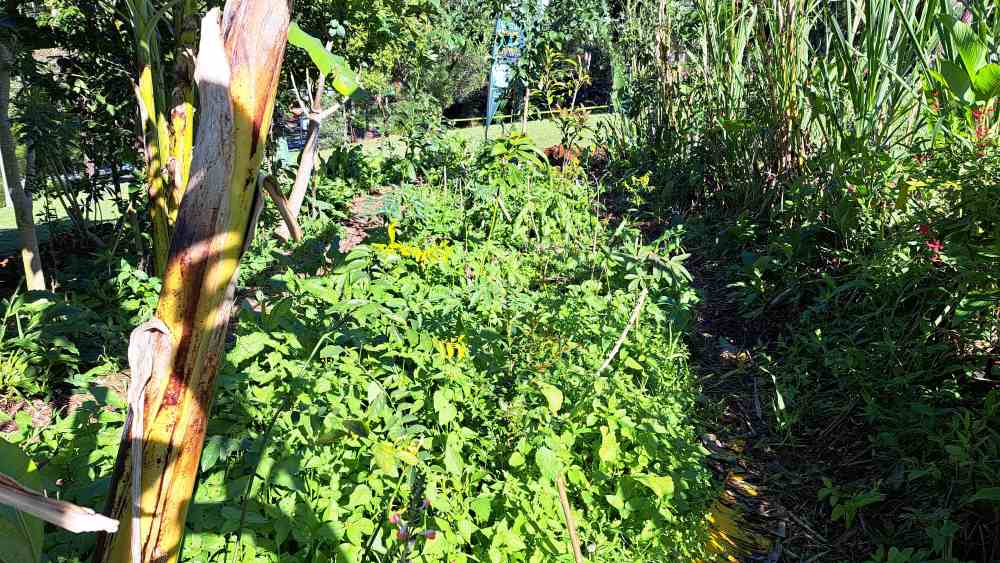
June was a month of pruning, sharing, learning and regeneration in the 90 m² observation area at Ediblescapes. The garden continued to demonstrate how food production, biomass cycling, community education and open-access harvesting can happen together within a public syntropic forest garden.
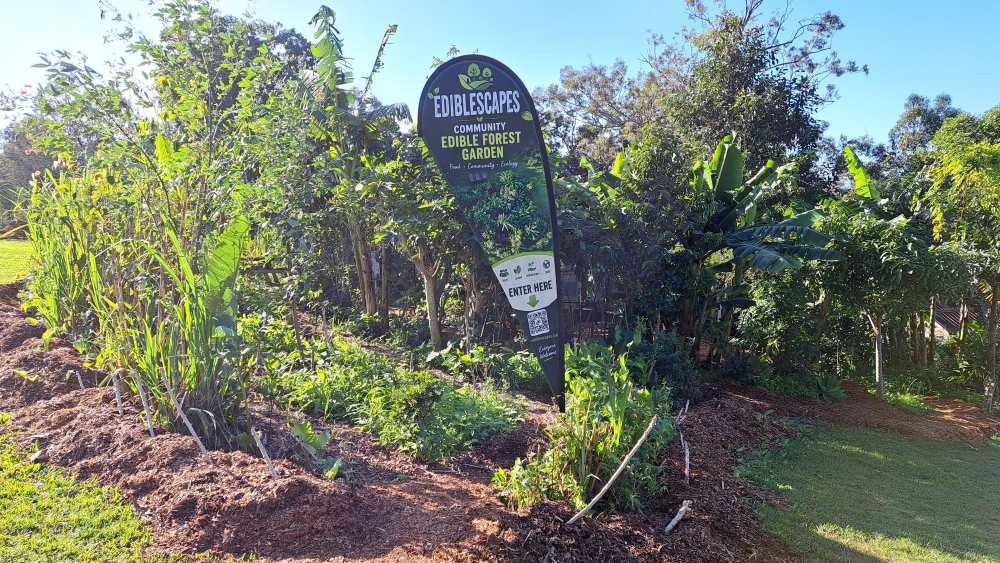
1. Context: A 90 m² Plot Within a Living Commons
The 90 m² Food-Growing Experiment is embedded within the wider 1,000 m² Ediblescapes Community Edible Forest Garden. Because the garden is an unfenced public open space, harvesting, foraging, learning and volunteer care occur across the whole garden, not only within fixed research boundaries.
Recorded harvests should therefore be understood as minimum documented harvests, not the full amount of food produced or shared.
2. Sugar Cane Harvest and Shared Juice
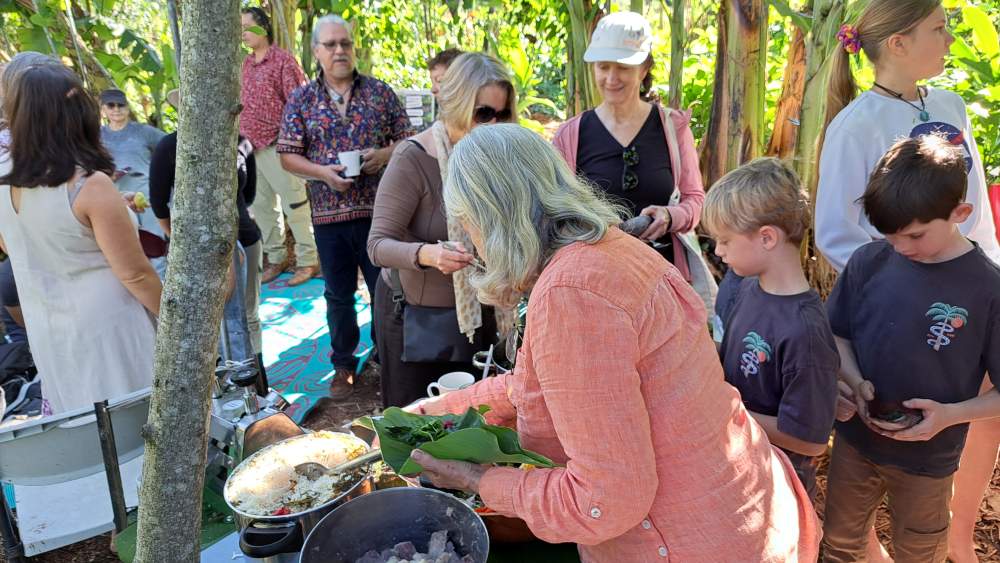
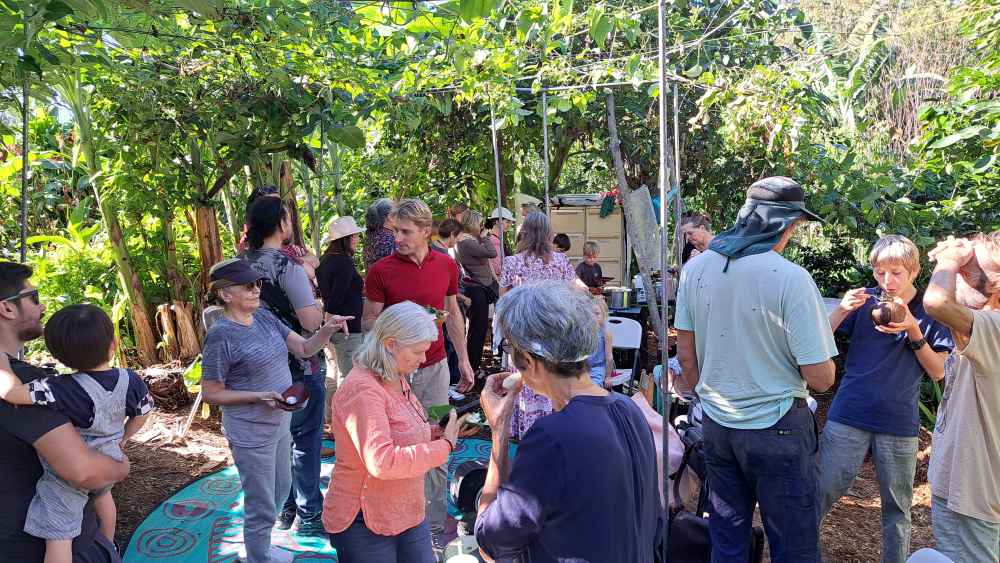
On 20 June, during the Community Biocultural Food Gathering and Peña Solidaria for Cuba, around 40 pruned sugar canes were harvested. Simon kindly brought a manual sugar cane press, allowing participants to make and share fresh juice.
The younger children especially delighted in harvesting the cane, feeding it through the press, and proudly serving fresh juice to friends, families and other participants.
3. Cassava Shared With Brisbane Families
Cassava roots from five mature plants were shared with five families who travelled from Brisbane to support and perform at the solidarity gathering. The estimated harvest was approximately 18–25 kg, offered as a gesture of food, culture and community connection.
4. Biomass and Border Pruning
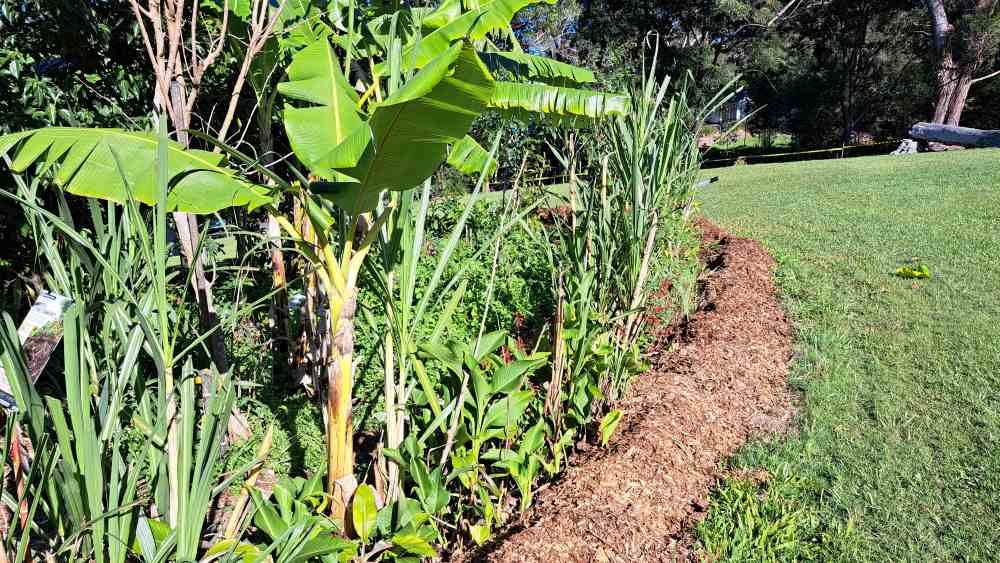
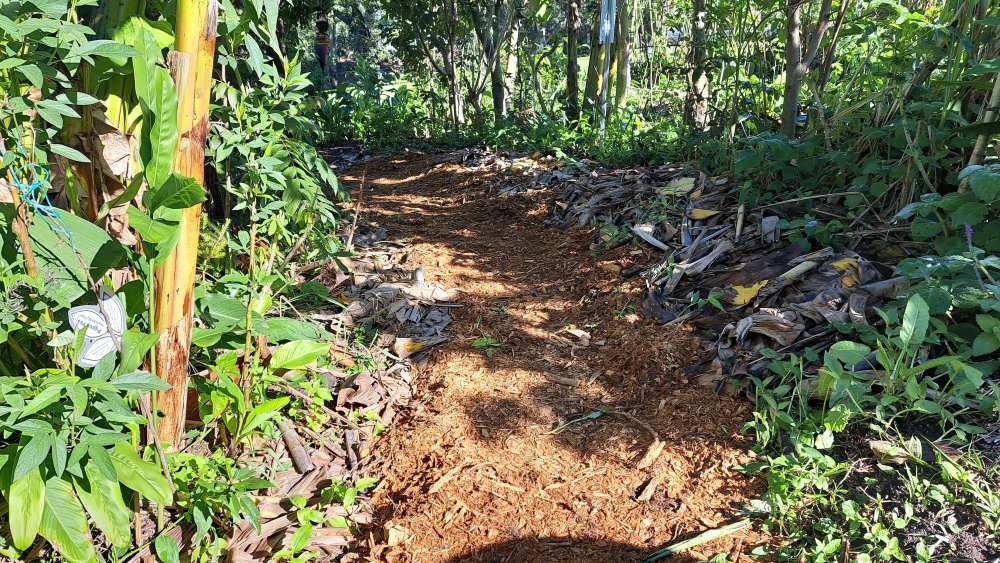
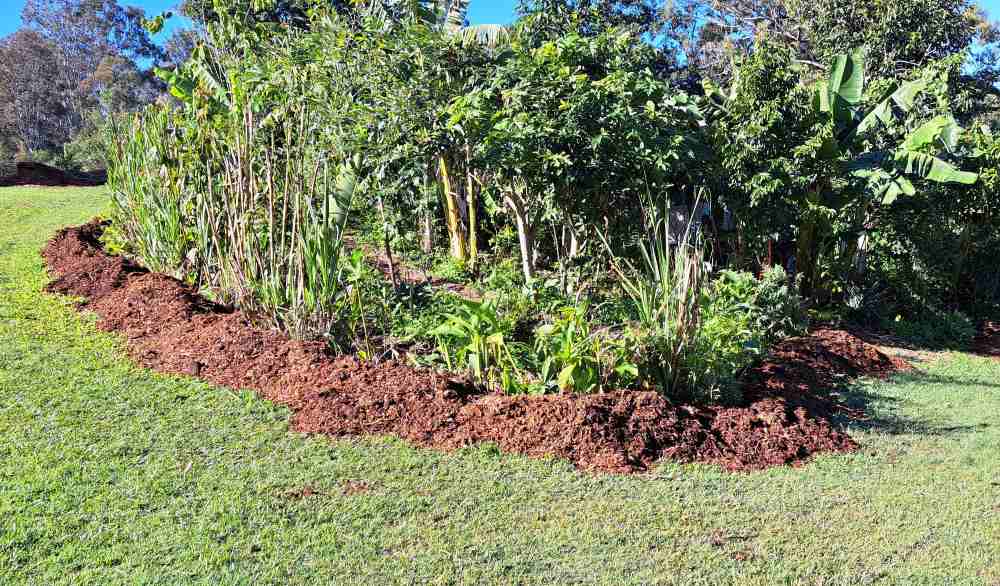
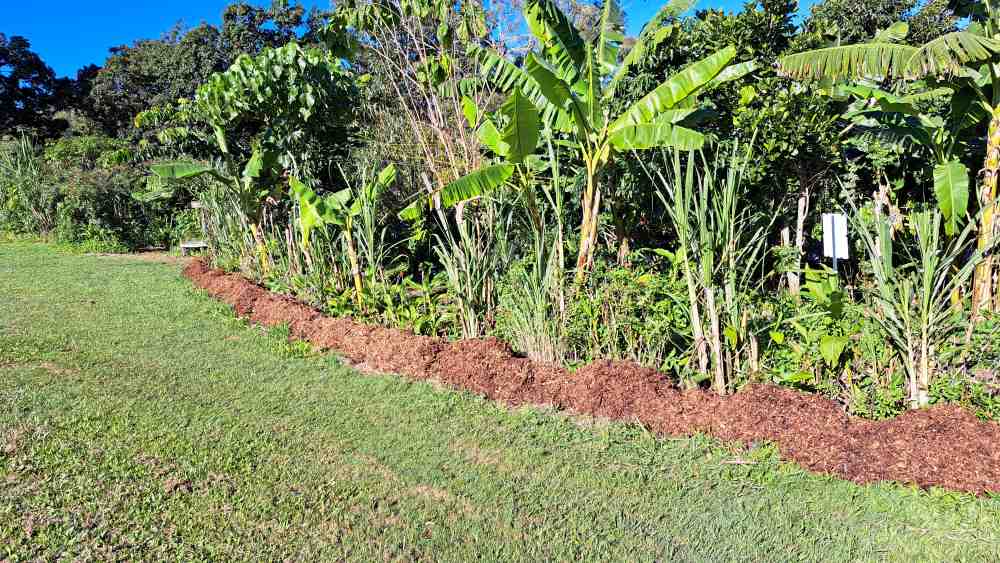
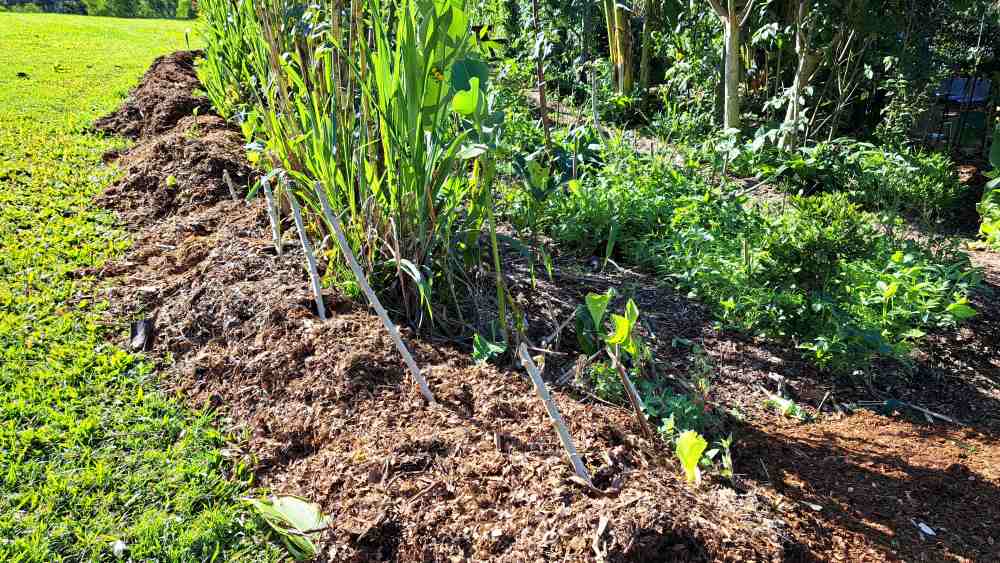
On 23 June, pruning continued along the western, north-western and northern border. Around 4.8 m³ of fresh biomass and tree mulch was organised into a mulch corridor approximately 24 m long, 50 cm wide and 40 cm high.
5. Regeneration After Pruning
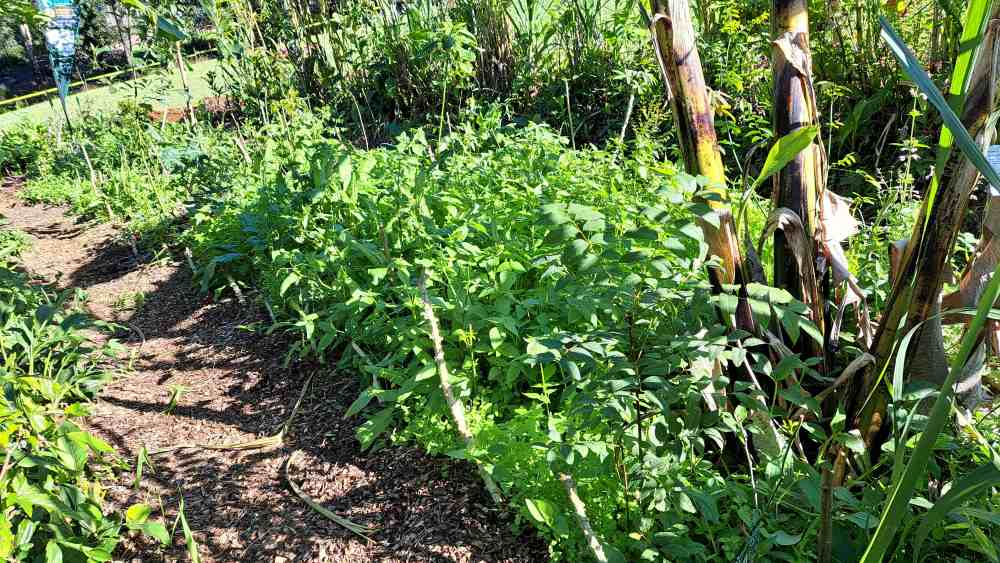
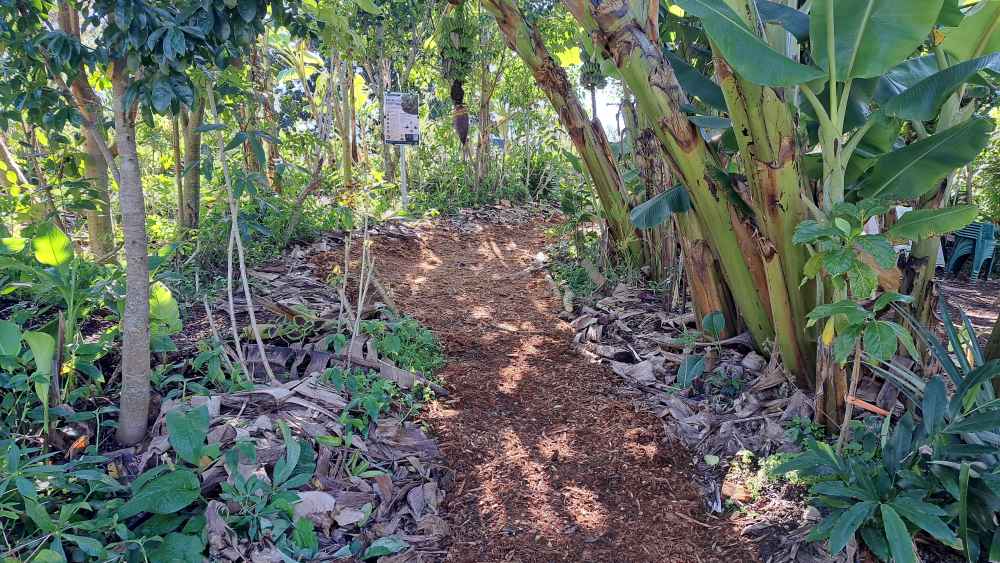
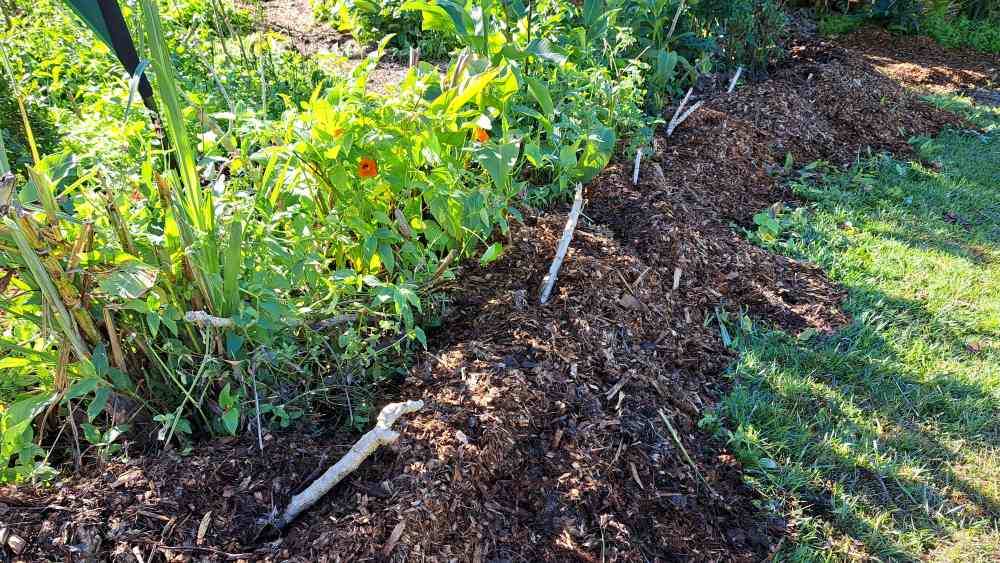
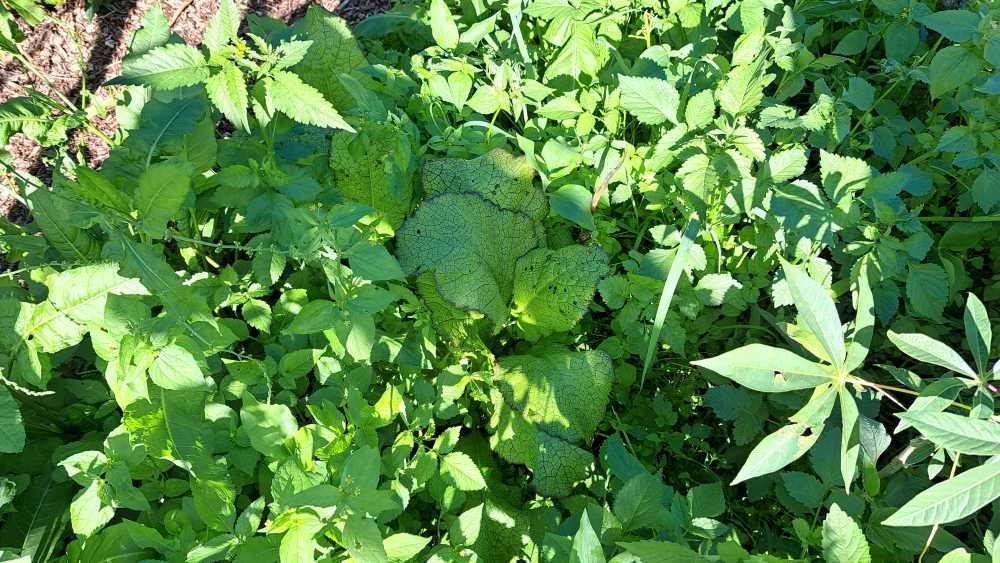
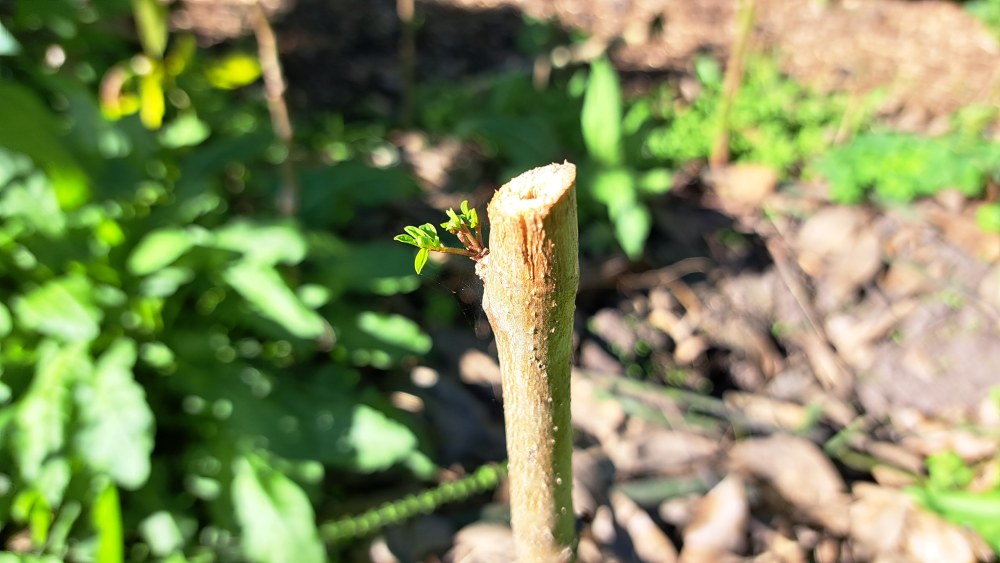
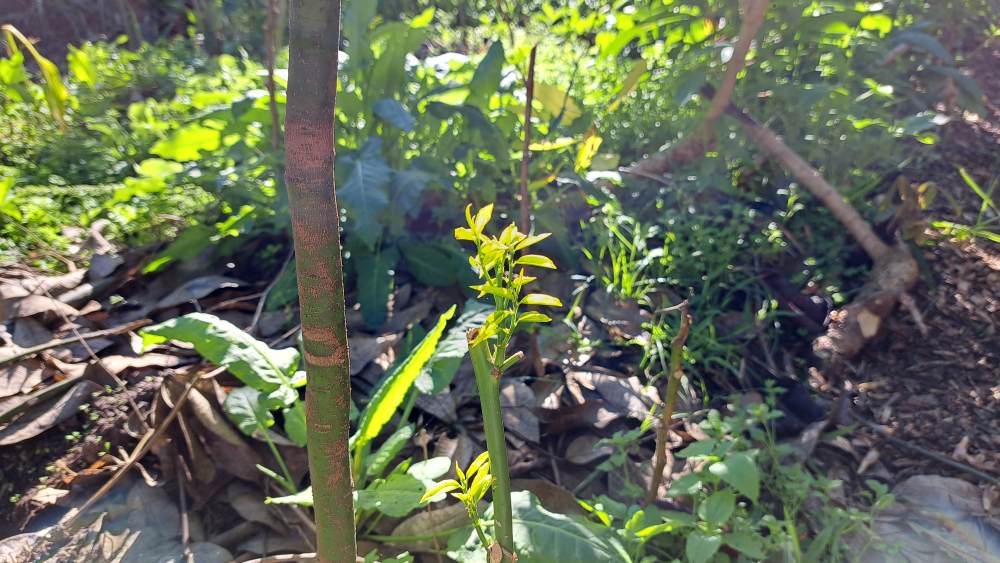
After June pruning, around 80% of propagation cuttings were showing new shoots or leaves. Self-sown edible seedlings also began to emerge, including mustard, tatsoi-like Chinese greens, rocket, pigweed, chickweed, green amaranth, cobbler’s pegs and wild brassica.
6. Learning in the Garden
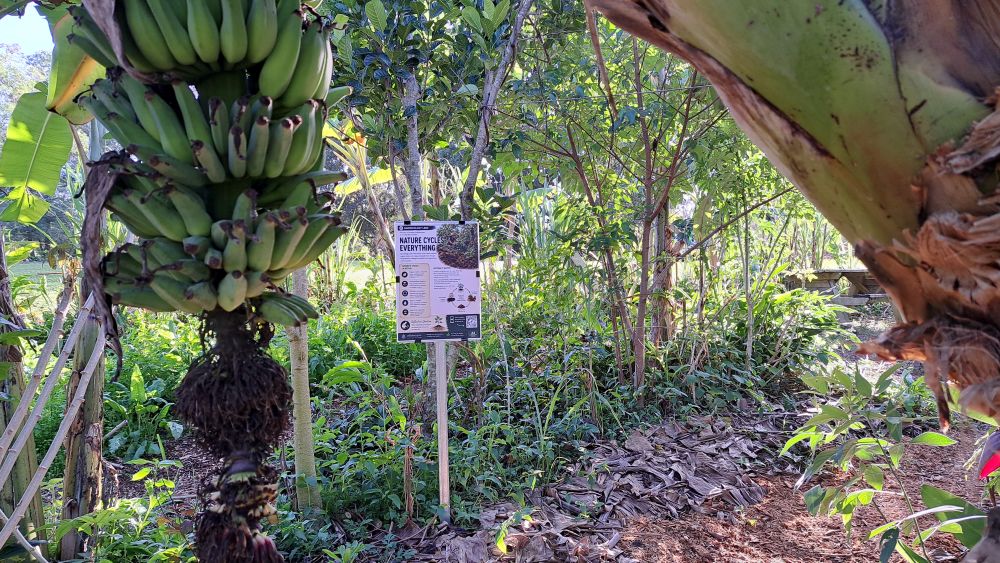
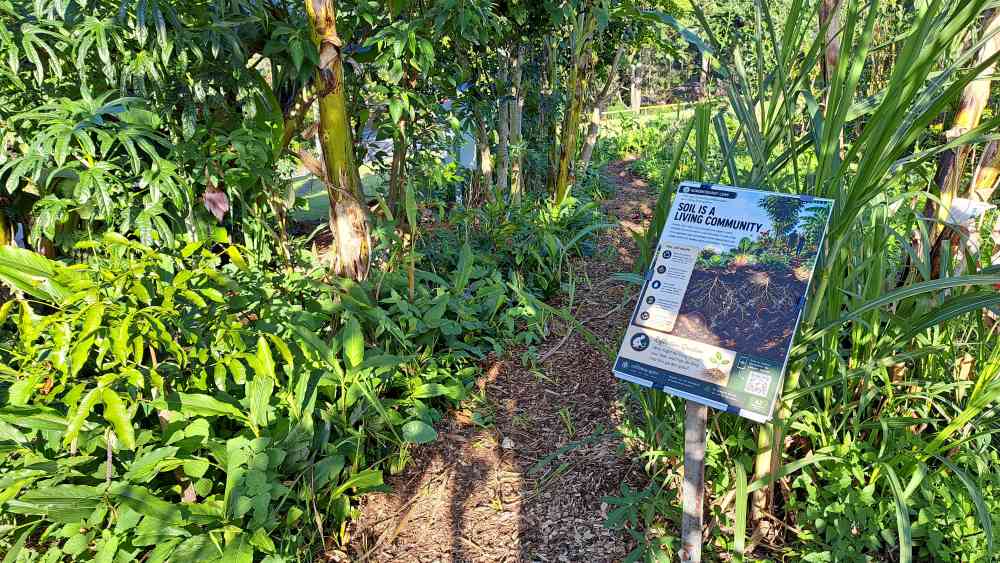
During May and most of June, the 90 m² area displayed stations from the Permaculture Lens. On 20 June, the display changed to the Agroecology Lens, beginning a new conversation about food, soil, biodiversity, culture and community. Changed the exhibition, helping visitors experience the garden through multiple ways of seeing.
Photo Gallery
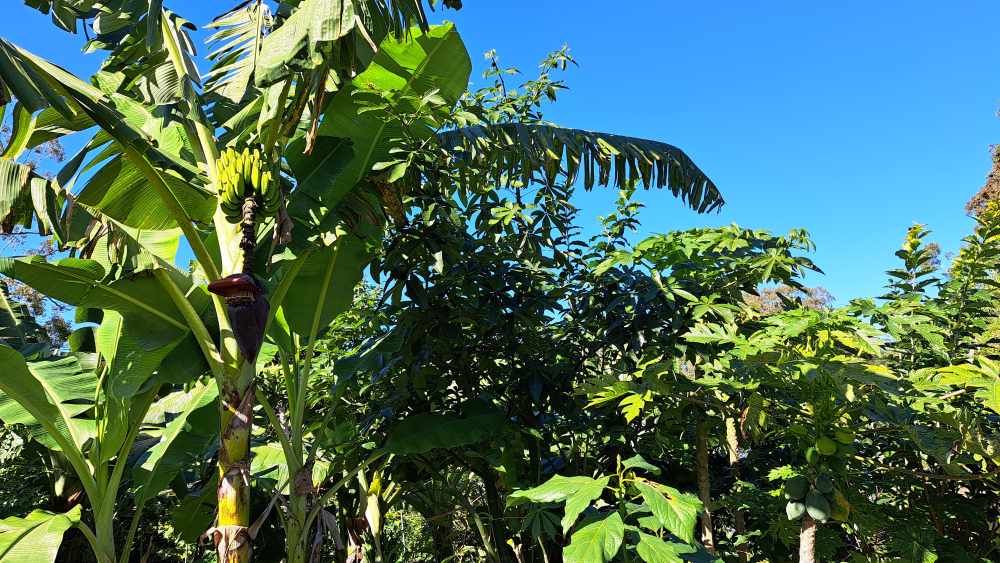
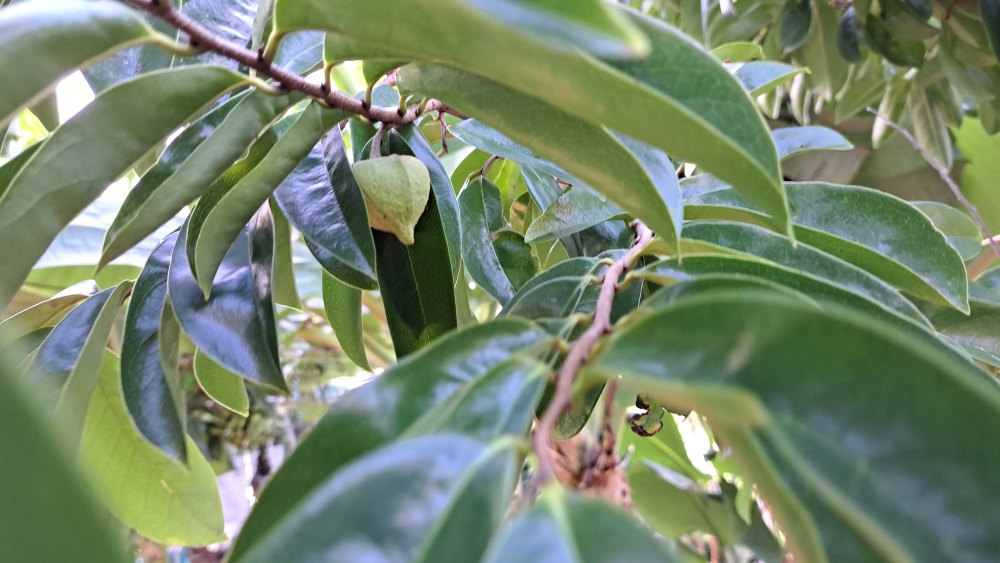
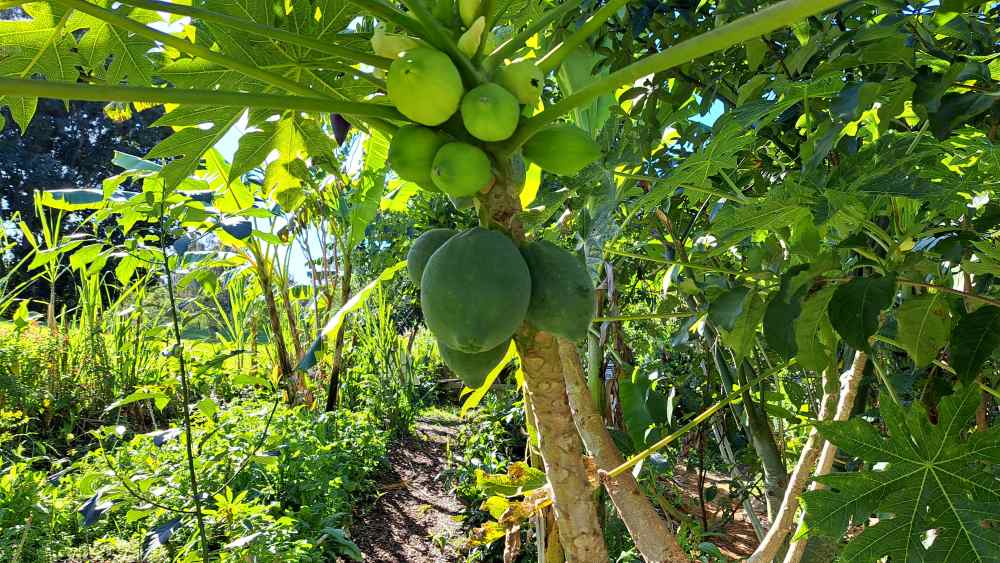
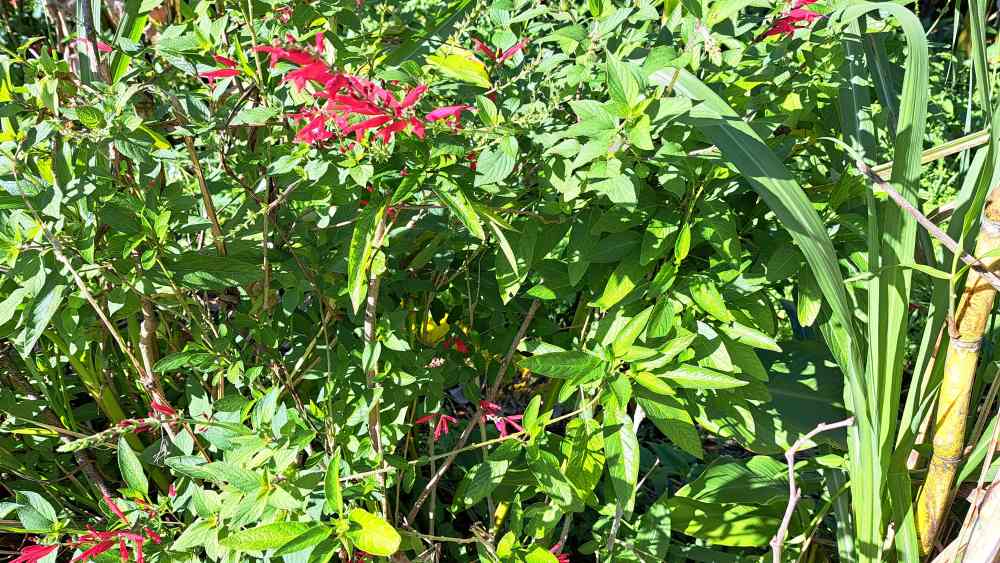
A visual record of the garden’s changing conditions, seasonal activities, harvests and community learning throughout the month.
Diversity Grown
Food Harvests
Biomass and Soil Building
Propagation and Community Learning
This conversation remains open...
The garden never tells its whole story in a single month.
Every pruning, harvest, shared meal and new seedling becomes part of an ongoing conversation between people, plants and place.
We invite you to return, explore the Learning Trail and experience how the garden continues to change through the seasons.
The next chapter begins next month.