
May 2026
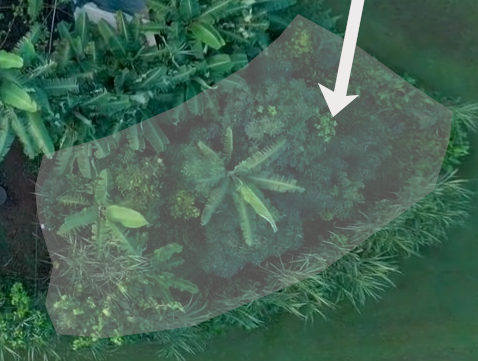
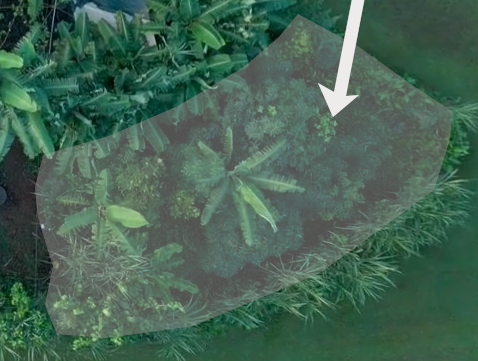
A monthly observation of a 90m² Biointensive–Syntropic food production area within the Ediblescapes Community Edible Forest Garden. During May 2026, the site produced food, generated 15.5m³ of biomass, established nearly 200 new plants, and received over 30,000 litres of rainfall while supporting community learning and participation.
Ediblescapes 90m² Garden Report – May 2026
A Living Experiment in Community Food Production
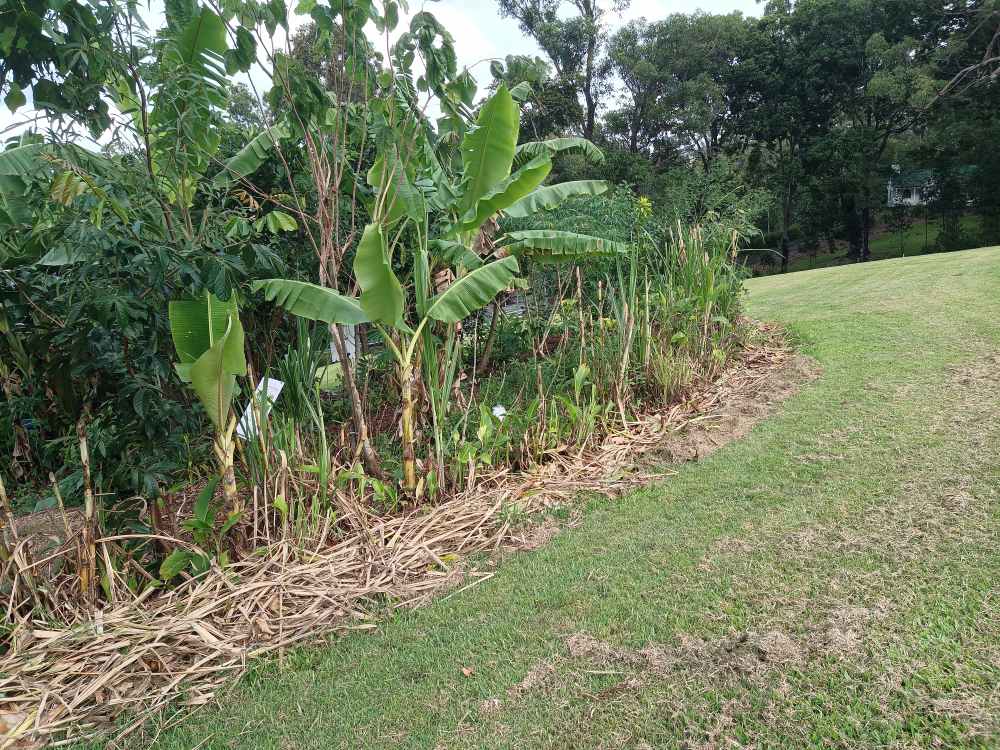
The monitored 90m² area is located within the north-west section of the Ediblescapes Community Edible Forest Garden in Nerang, Queensland.
Since 2019, this area has served as a demonstration and learning space for community participants. Over recent years it has evolved from annual vegetable production towards a Biointensive–Syntropic perennial food system focused on edible leaves, root crops, fruit trees, biomass production and community learning.
Key Outcomes for May 2026
Food Harvest
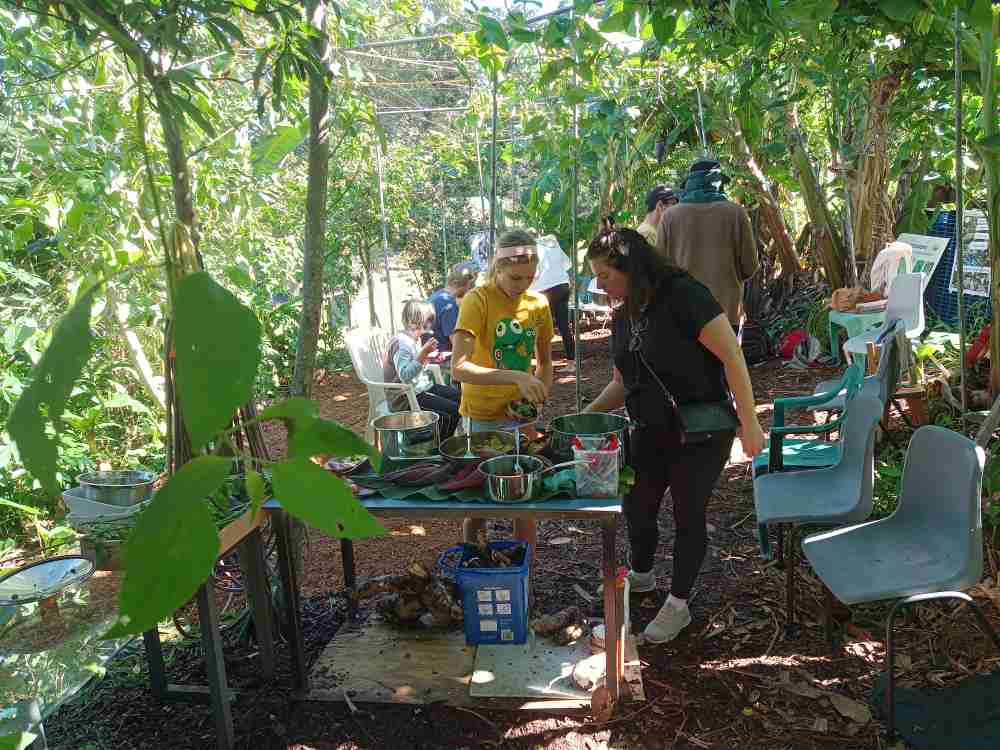
During May, the area contributed food for community meals and volunteer sharing activities.
Harvests included:
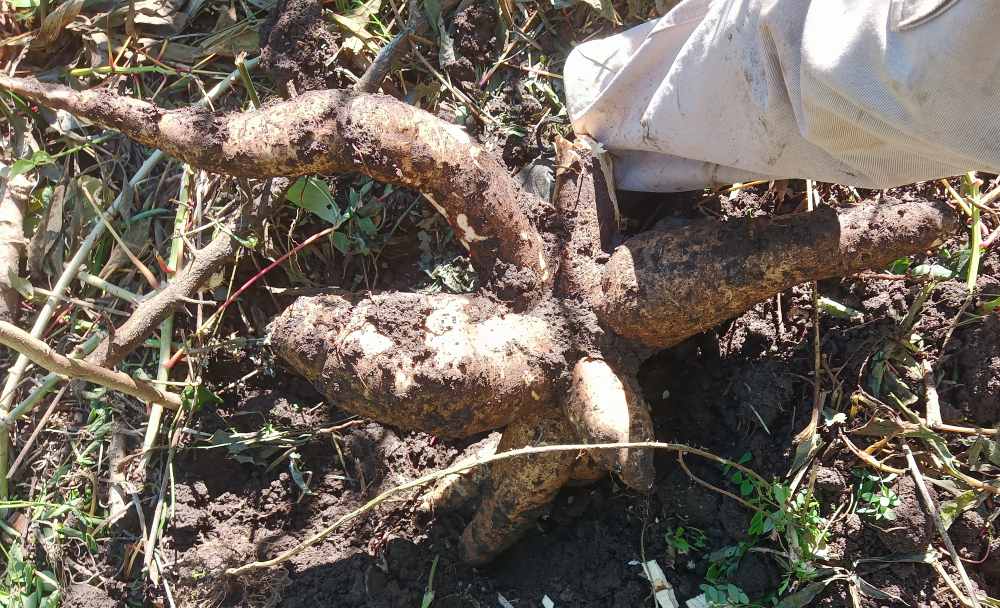
- Cassava (approximately 25kg from four plants)
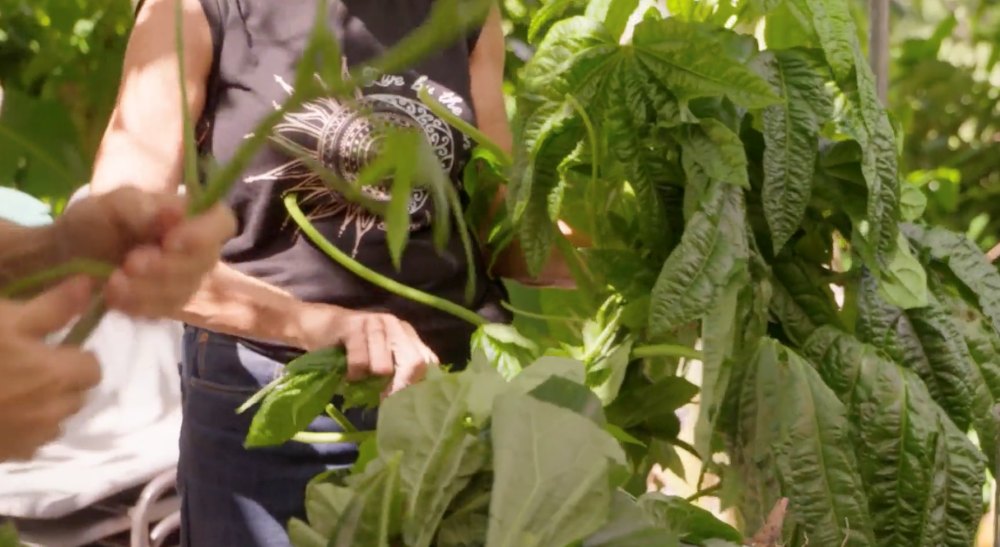
- Moringa leaves
- Sweet Leaf (Katuk) leaves
- Aibika leaves
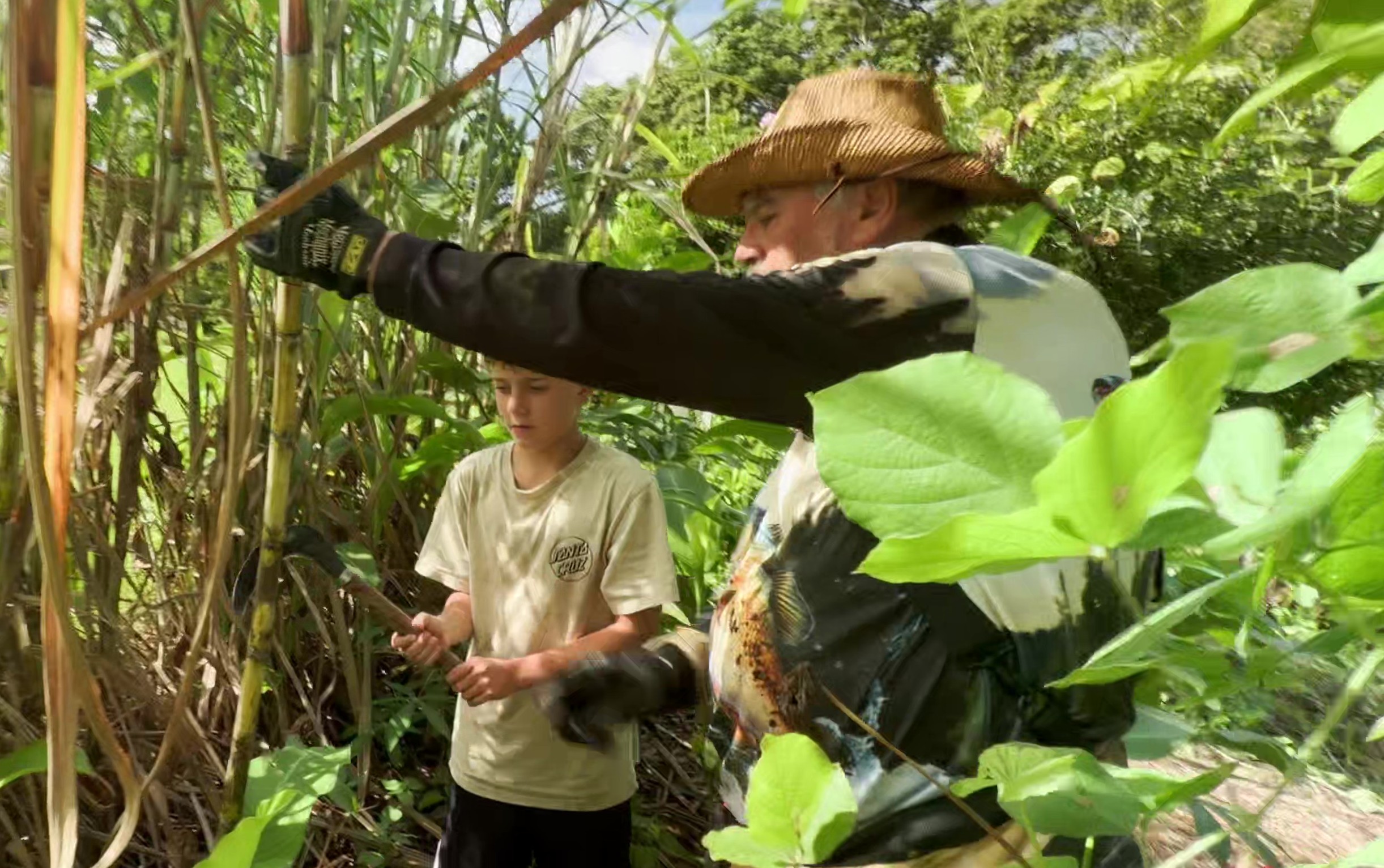
- Sugar cane
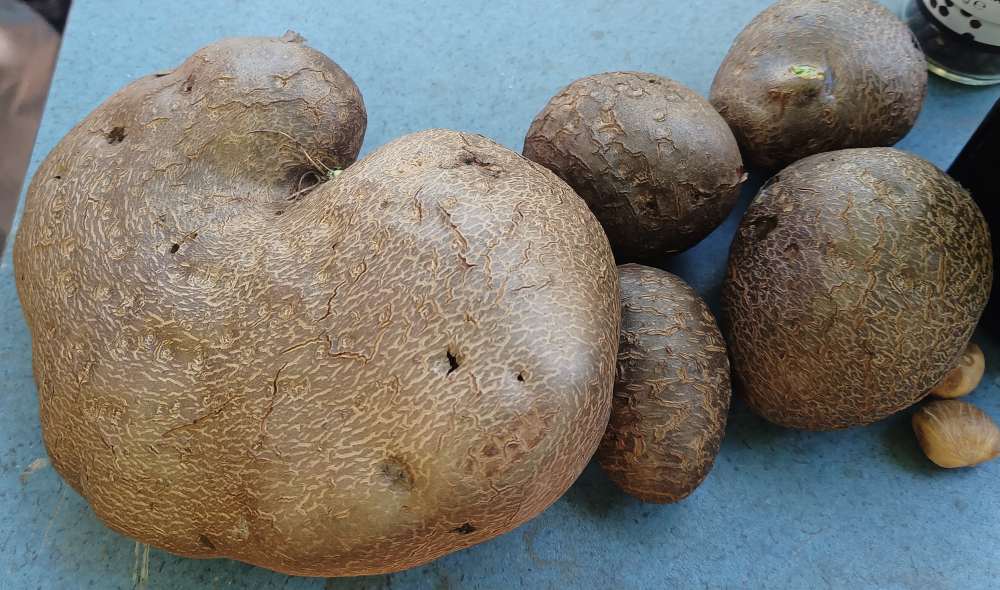
- Aerial potatoes
The harvest supported community meals and food sharing among volunteers.
Biomass Production and Soil Building
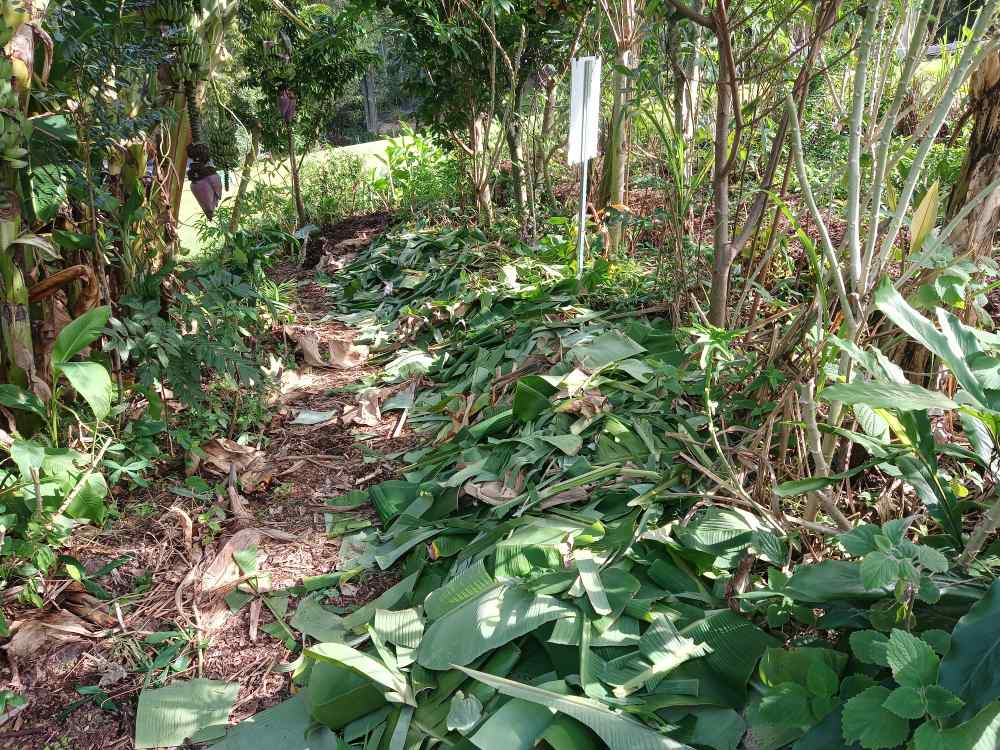
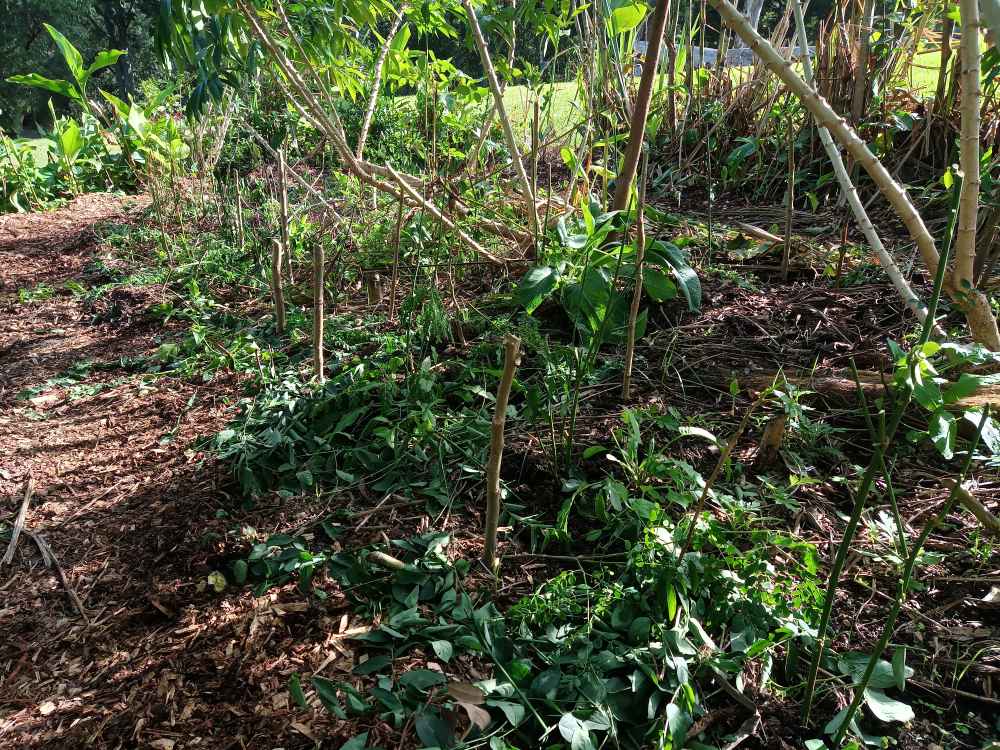
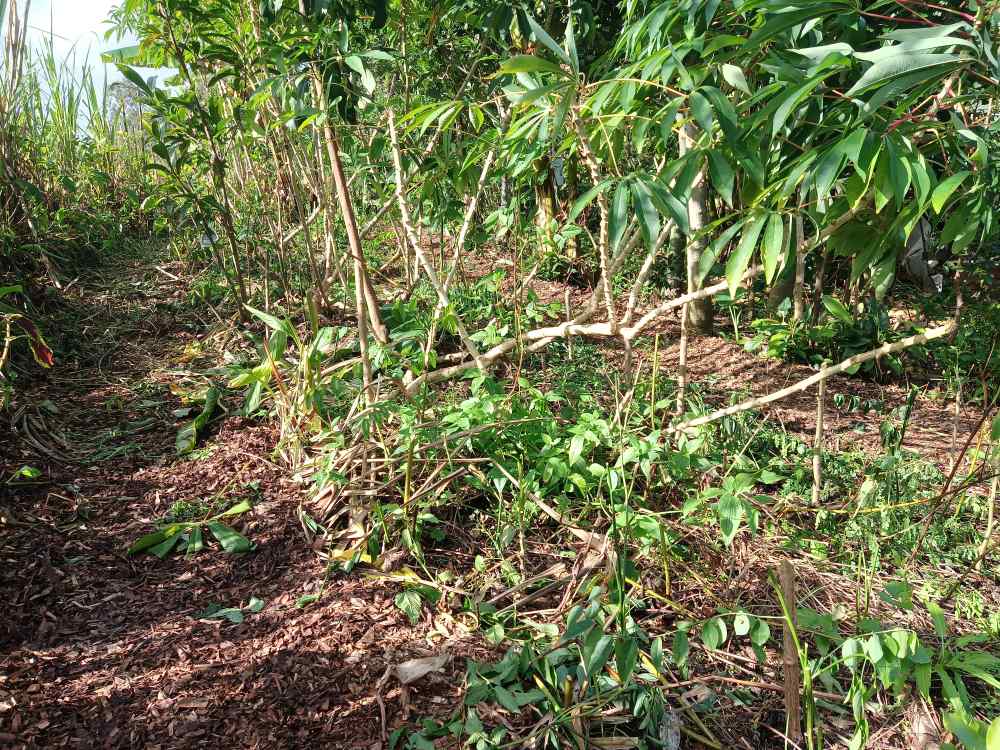
Approximately 12.5m³ of fresh pruning biomass was generated during routine management activities.
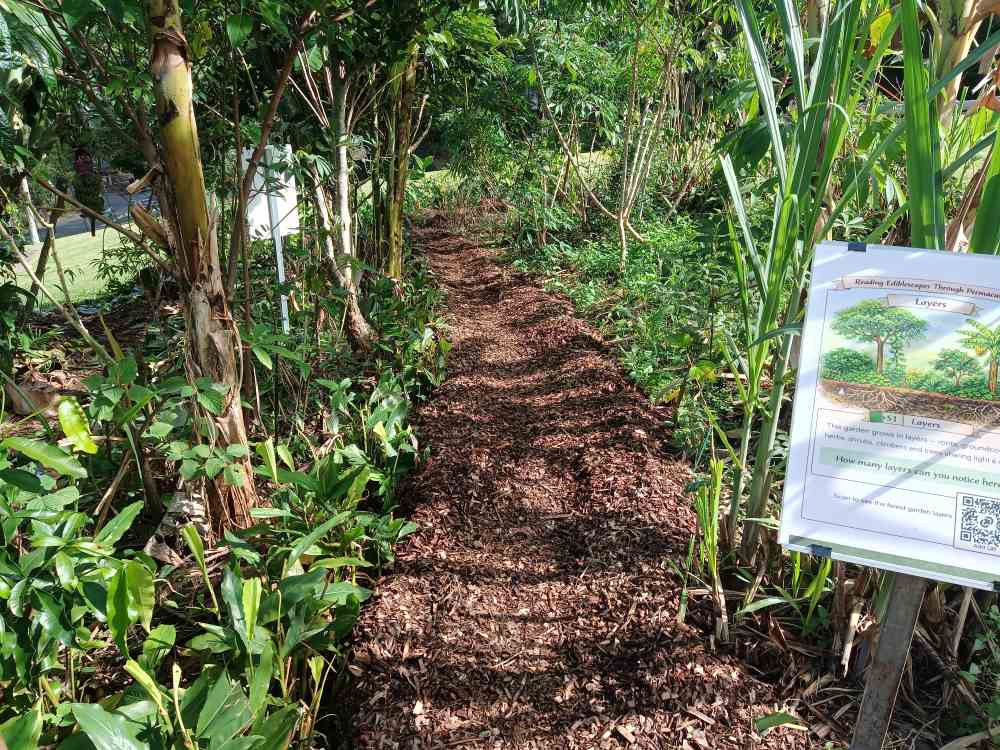
A further 3.0m³ of arborist mulch was added to pathways and soil surfaces.
Together these materials created approximately 15.5m³ of composting biomass, helping to:
- Feed soil organisms
- Increase soil organic matter
- Improve water infiltration
- Build long-term soil fertility
- Protect soil surfaces from erosion
It is important to note that the reported 15.5m³ represents the volume of fresh biomass and mulch materials at the time of application. This volume includes pruning biomass generated through the management of overgrown volunteer plants and food-producing species, together with freshly applied arborist mulch.
As these materials are incorporated into pathways and garden surfaces, their volume gradually decreases through trampling by visitors, biological activity from decomposer organisms, and natural decomposition processes. Under local conditions, the material is expected to reduce to approximately 20% of its original volume within around six months, forming a more stable composting humus layer. Decomposition generally occurs more rapidly during the warm and wet season, when moisture and biological activity are highest.
Propagation and Future Food Production
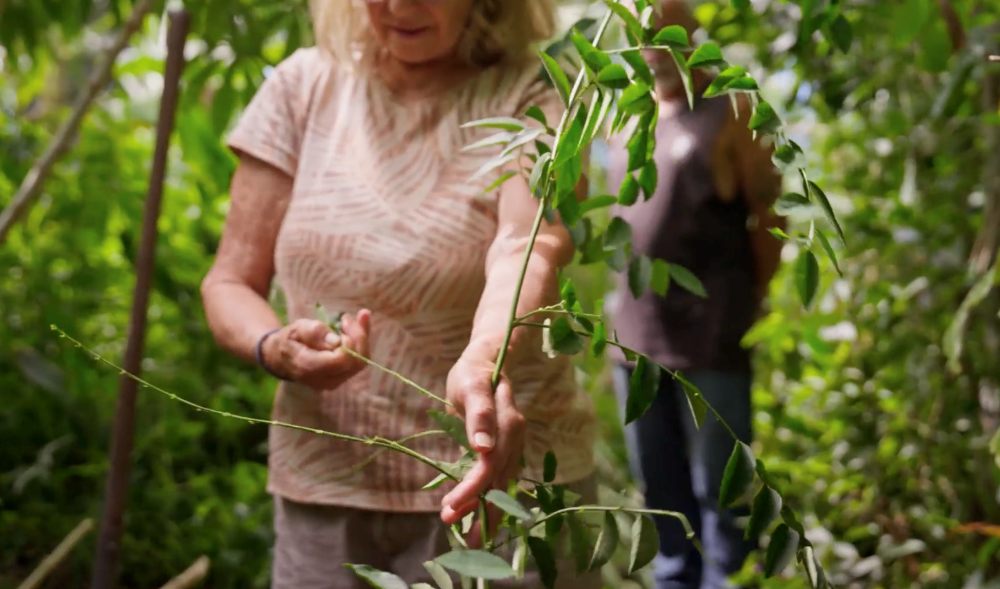
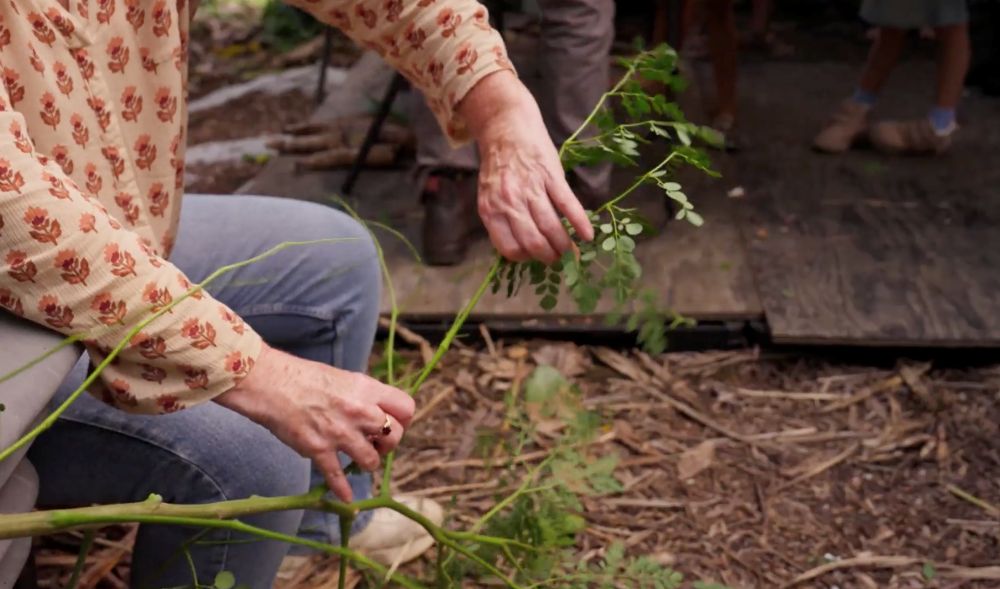
An important outcome of the month's pruning activities was the creation of new planting material.
Approximately:
- 80 Moringa cuttings
- 70 Sweet Leaf (Katuk) cuttings
- 30 Aibika cuttings
were established within the garden beds.
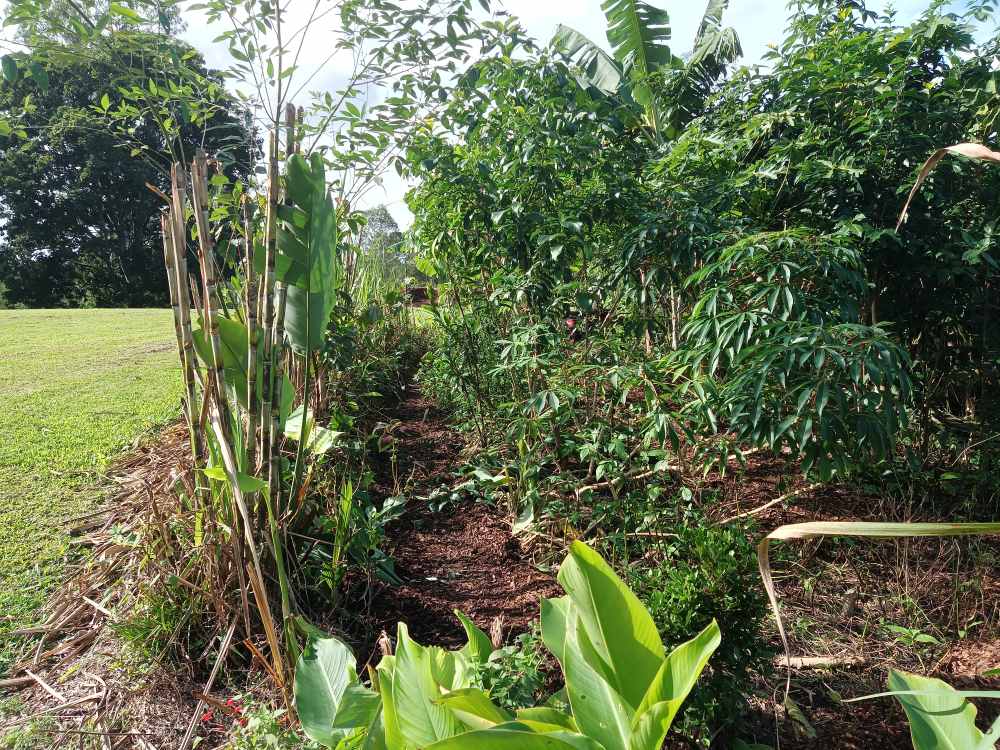
In addition, 16 Cassava cuttings were replanted along a mulched border area.
This demonstrates how a single management action can simultaneously generate food, biomass and the next generation of food-producing plants.
Rainfall and Water Infiltration
May 2026 was exceptionally wet across the Gold Coast region.
The monitored 90m² area received approximately:
29.7m³ of rainfall
or
29,700 litres of water
The deep mulch layers, composting biomass and humus-rich soils assisted infiltration and reduced runoff, helping retain moisture within the root zone.
Observations
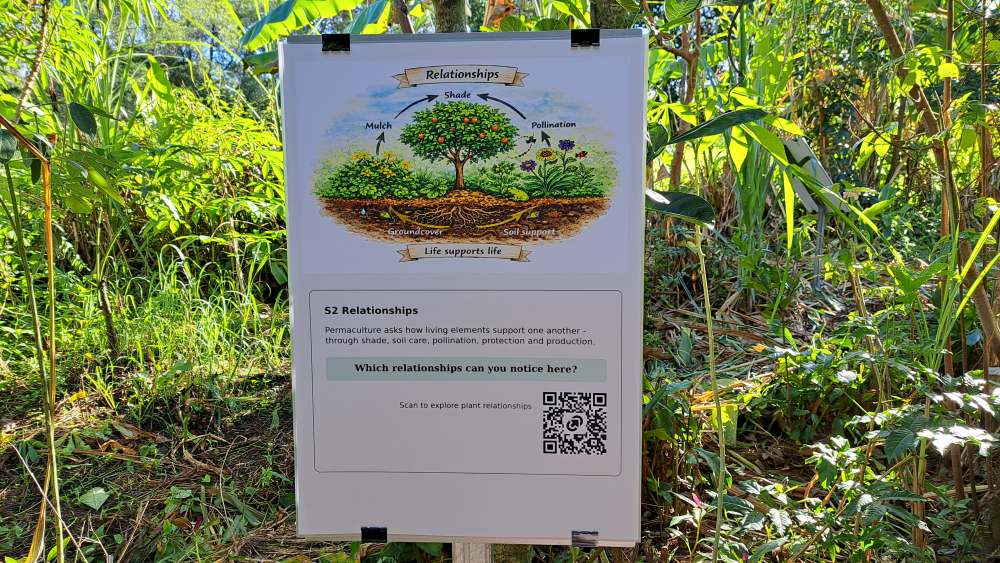
The monitored area continues to demonstrate multiple functions simultaneously:
- Food production
- Biomass generation
- Plant propagation
- Water infiltration
- Soil building
- Community education
The integration of edible leaf crops, perennial root crops, food trees and biomass species is gradually increasing the system's capacity to support biological activity, retain moisture and build fertility.
Looking Forward
As Ediblescapes continues developing this Biointensive–Syntropic system, ongoing monitoring will help document how perennial food-producing communities evolve over time.
Beyond food harvests alone, the garden is exploring how community-managed edible forest gardens can generate soil fertility, biodiversity, propagation material, educational opportunities and long-term resilience within a public open-space setting.
Photo Gallery
A visual record of harvests, biomass production, propagation activities and community learning during May 2026.
90m² Overview
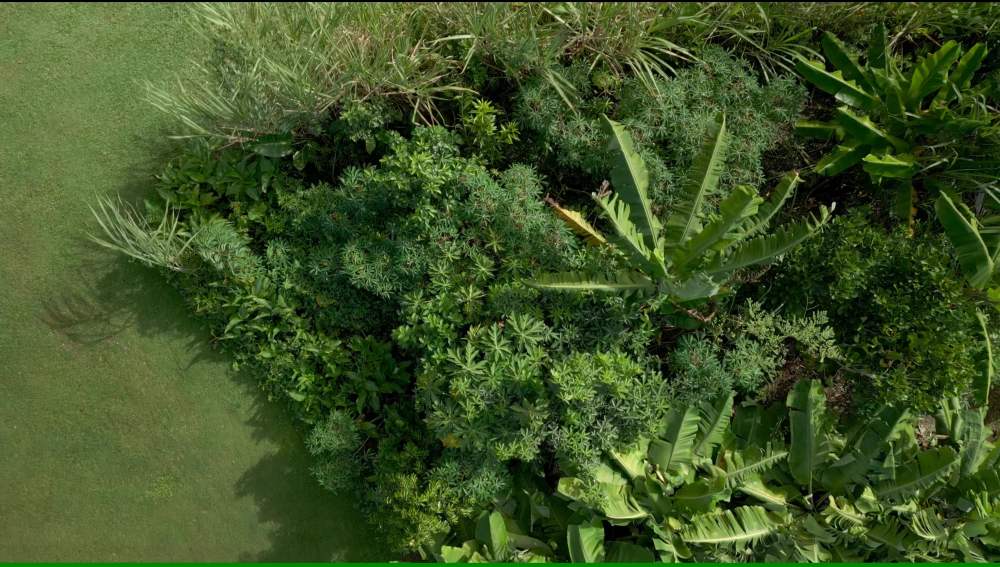
Diversity Grown
Food Harvests
Biomass and Soil Building
Propagation and community Learning
Continue Exploring the Living Garden
This monthly report is one observation from a much larger living system. Explore the interpretive lenses, learning trail stations and community activities that help reveal how food, ecology and community grow together at Ediblescapes.