White Ginger — The Same Plant in Two Managed Public Landscapes?
In Defence of Ediblescapes
Issue Two: The Same Plant in Two Managed Public Landscapes?
White Ginger at Ediblescapes and the Broadbeach Cultural Centre
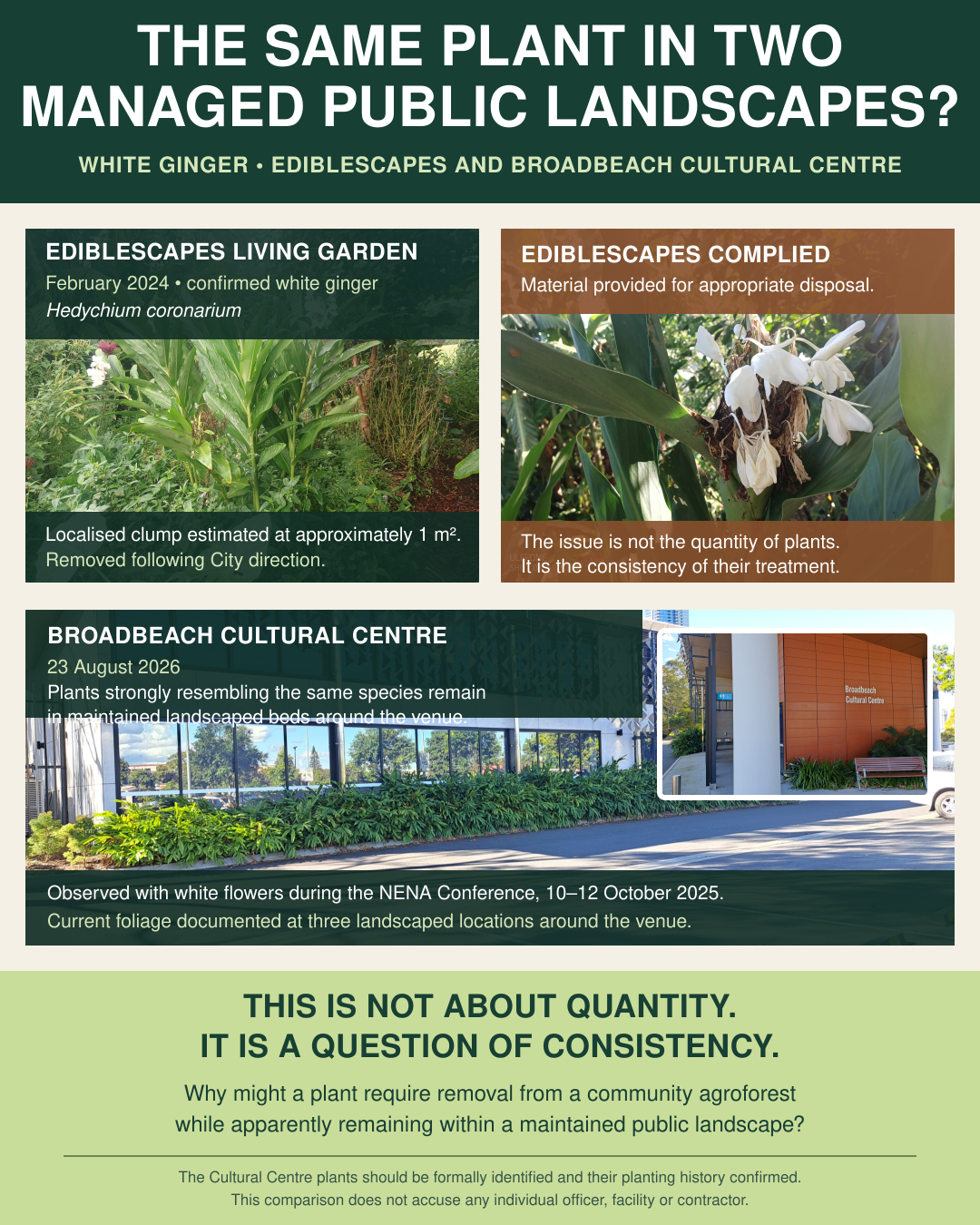
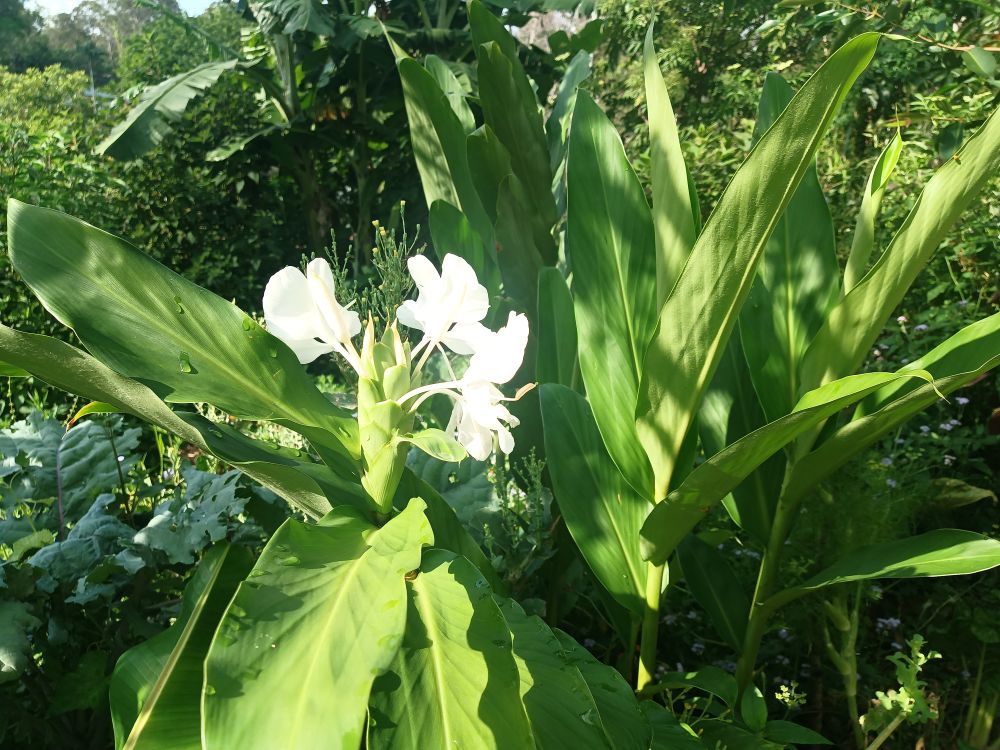
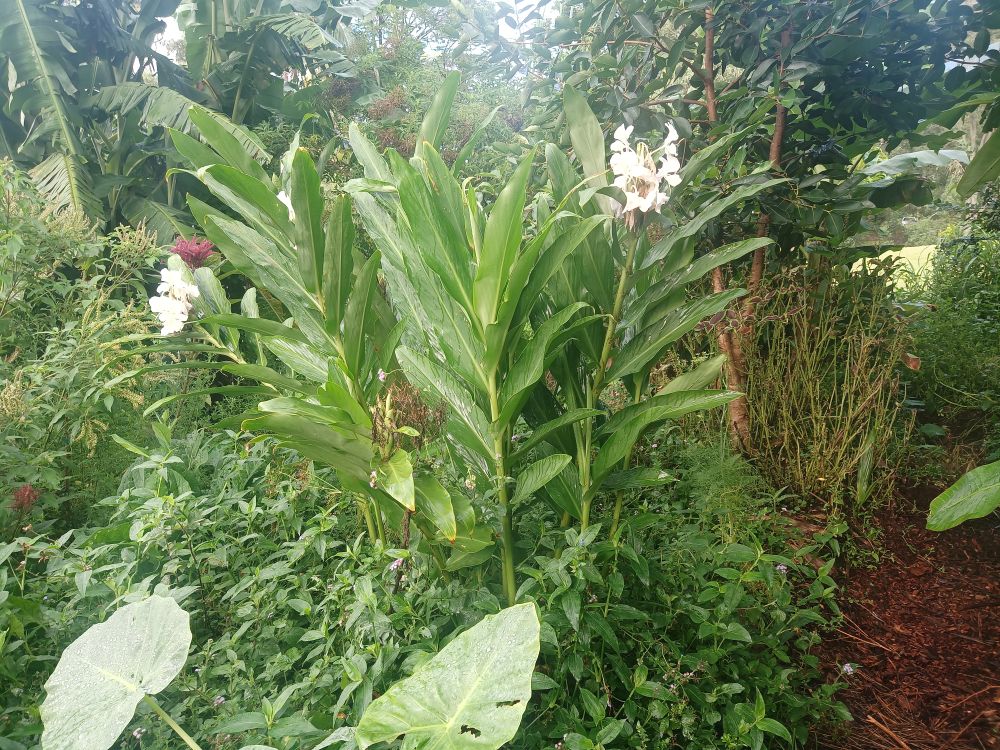
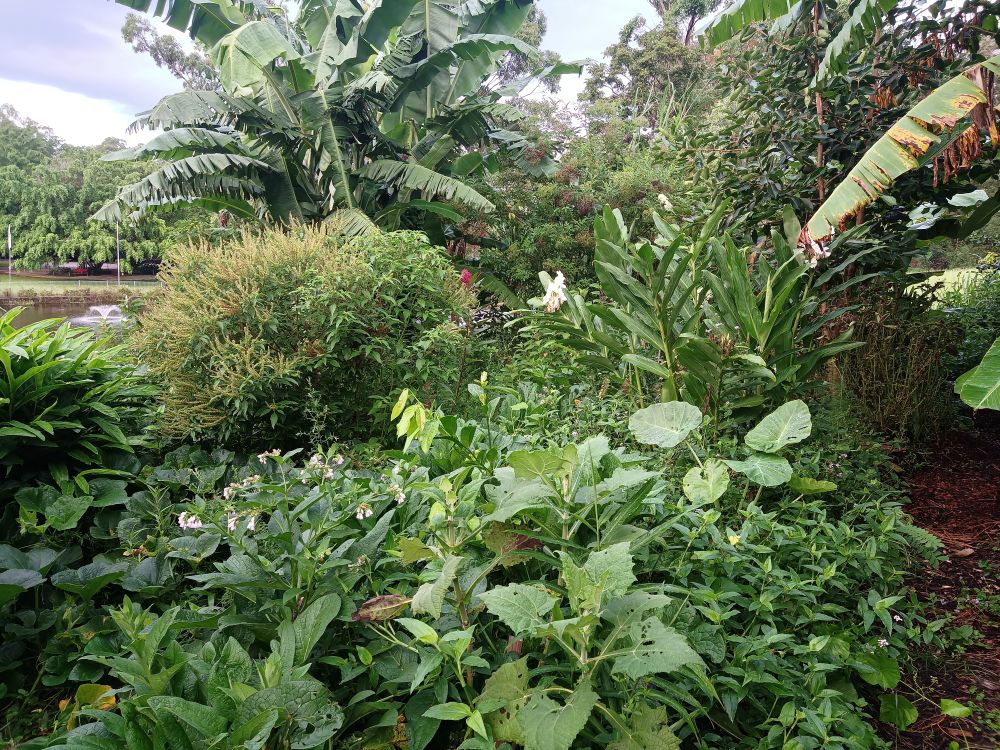
Photographs taken in February and March 2024 show White Ginger (Hedychium coronarium) flowering within an area of approximately one square metre at the Ediblescapes Living Garden.
Following direction from a City biosecurity officer, Ediblescapes removed the plant and provided the material to the officer for appropriate disposal.
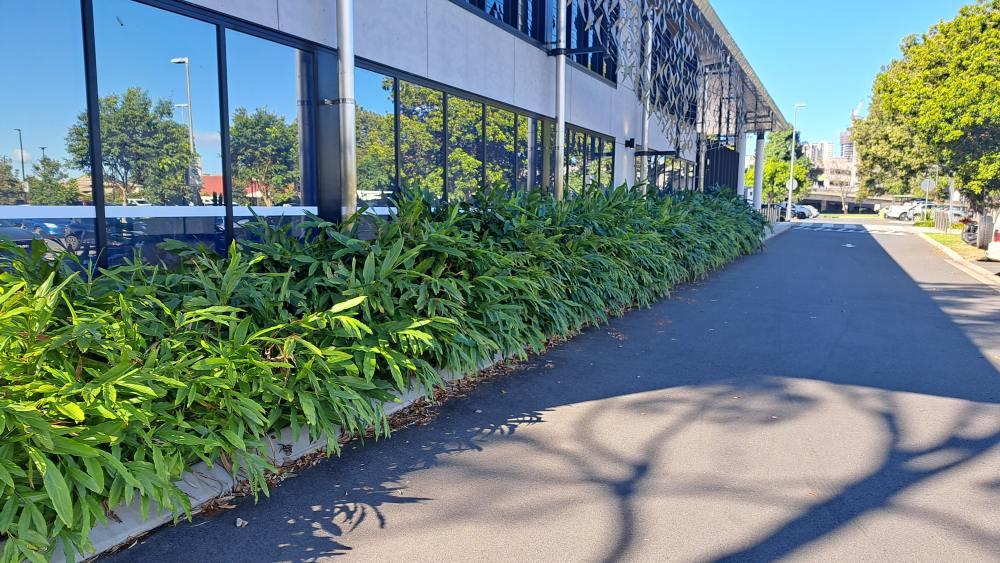
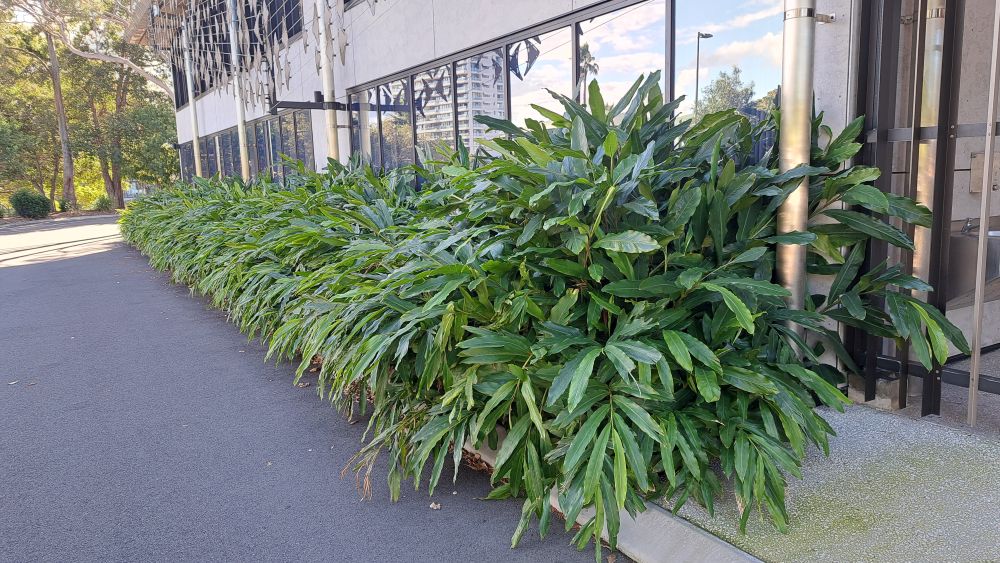
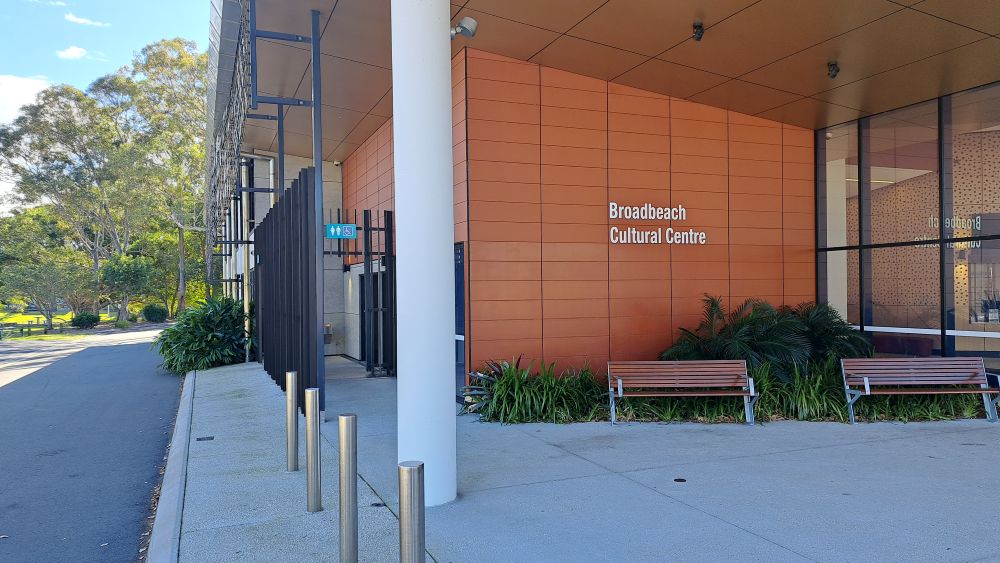
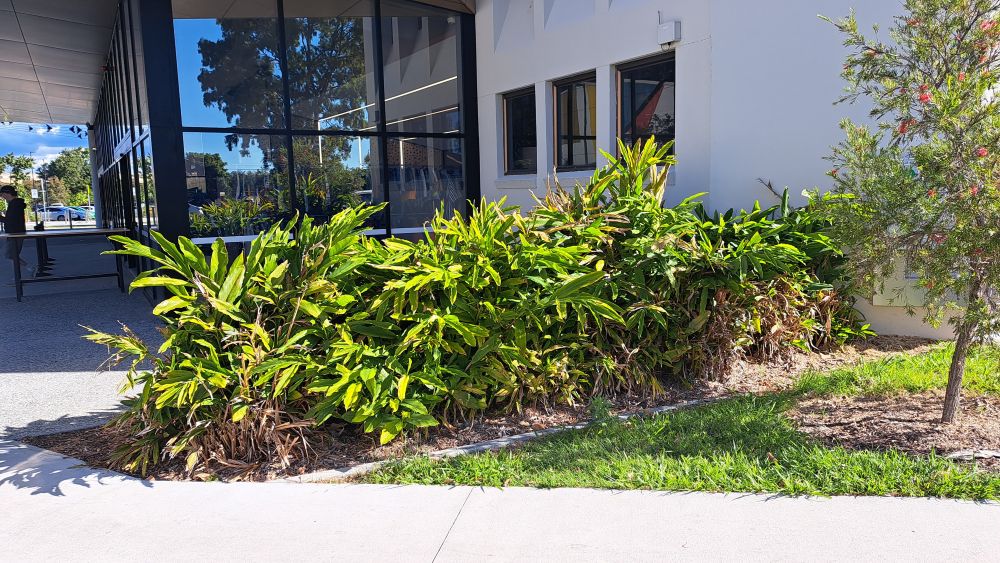
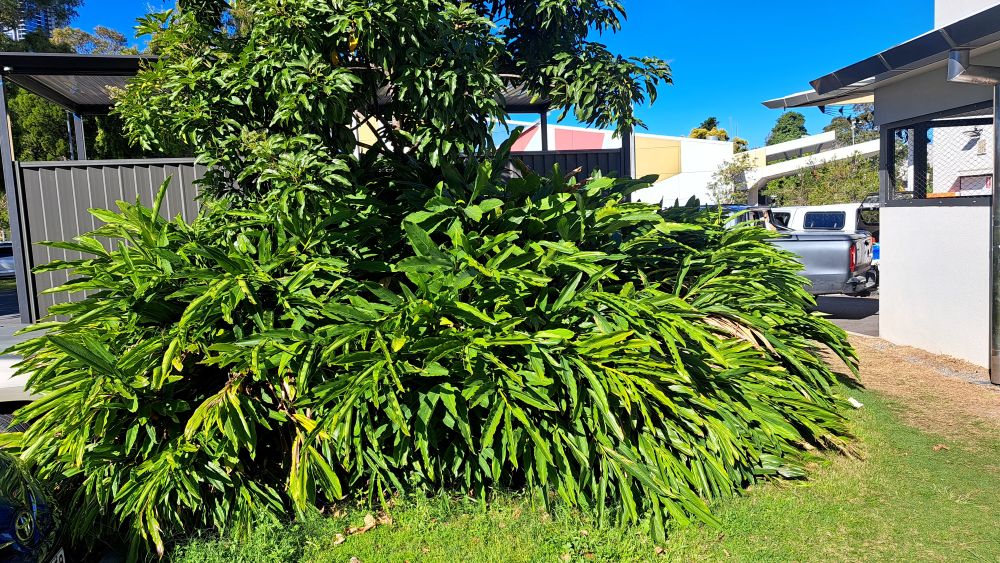
During the NENA Conference, held from 10 to 12 October 2025, plants with similar foliage and white flowers were observed in landscaped garden beds beside the renovated Broadbeach Cultural Centre, formerly known as the Albert Waterways Community Centre.
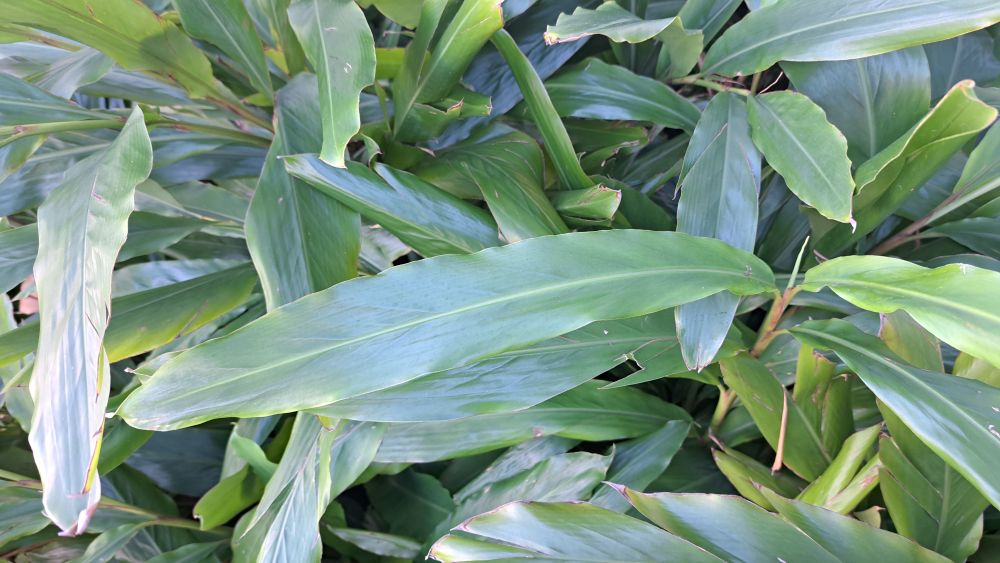
On 23 August 2026, plants strongly resembling the same species were documented at three landscaped locations around the Cultural Centre. The plants were not flowering at that time, so their identity should be formally confirmed. However, their foliage and growth habit appear strongly consistent with the White Ginger previously documented at Ediblescapes.
A question of consistent treatment
This comparison is not presented to accuse an individual officer, facility or contractor. The identity and planting history of the Cultural Centre plants should first be confirmed. Nor is this about comparing the quantity of plants at the two locations.
Rather, the observations raise constructive questions:
How consistently are environmental-weed classifications and biosecurity directions applied across different forms of City-managed or City-associated land?
Why might a plant require removal from a community agroforest while apparently remaining within a maintained ornamental public landscape?
Are management decisions based only on species identity, or do they also consider location, ecological behaviour, containment, reproduction and demonstrated risk?
Ediblescapes complied with the direction it received. This comparison invites a transparent explanation and a more contextual conversation about how biosecurity responsibilities are interpreted across public landscapes.
The issue is not the quantity of plants. It is the consistency of their treatment.
Extended Reflection
Beyond the Fixed Landscape: Weeds, Migration and Living Intelligence
Australian government and environmental-management frameworks commonly distinguish between native, introduced, exotic and invasive species. These classifications are important. Some introduced plants spread aggressively, displace vulnerable species, alter fire behaviour, damage waterways or create other serious ecological consequences.
However, the word weed can also carry an incomplete understanding of how living landscapes develop.
It may suggest that nature once existed as a complete and permanently arranged collection of plants and animals—and that ecological movement and transformation began only with European colonisation and subsequent human migrations.
The Earth was not created with every forest, grassland and species permanently attached to its present location. Landscapes have always changed.
Plants, animals, fungi and microorganisms have moved, settled, adapted and transformed ecosystems through wind, water, birds, ocean currents, fire, climatic cycles, volcanic activity and tectonic change. Human communities have also participated in these processes through gathering, cultivation, burning, travel, exchange, settlement and care.
For tens of thousands of years, Aboriginal and Torres Strait Islander peoples have lived within and actively shaped Australian landscapes through sophisticated systems of ecological knowledge and custodianship. Australian nature at the time of European colonisation was not a landscape without people. It had been composed through long relationships between human and more-than-human life.
European colonisation nevertheless introduced ecological change of extraordinary speed and scale: extensive land clearing, grazing, mining, altered waterways, changed fire regimes and the movement of plants and animals across biogeographical boundaries. Many of these introductions caused—and continue to cause—substantial ecological harm.
Recognising that ecosystems are dynamic does not mean that every introduced species is harmless or that invasive-species management is unnecessary.
It means that ecological judgement should not rest on origin alone.
A plant’s ecological meaning also depends upon:
- how it behaves in a particular landscape;
- whether it spreads beyond the place where it is managed;
- what relationships it forms with soil, water, insects, animals and other plants;
- whether it displaces or supports other living communities;
- what risks or benefits it produces;
- how people contain, harvest or care for it; and
- what can be learned through sustained observation.
A plant may be food within one cultural relationship, habitat within another ecological relationship and a serious threat in a different landscape. These realities can coexist.
The question is not simply whether a plant was here before or arrived later, but:
What is it doing here, within this particular living system and under these particular conditions of care or neglect?
The intelligence present in the garden
This conversation involves more than one form of intelligence.
There is human intelligence: scientific research, Indigenous ecological knowledge, cultural memory, gardening experience, professional practice and public administration.
There is also developing artificial intelligence, which can help gather literature, connect ideas and communicate across communities. Ediblescapes calls its collaborating AI agent EdibleAI. Its role is not to replace ecological observation or claim authority over the garden. It helps Ediblescapes gardeners interpret information, articulate their experience and communicate their relationships with the wider community.
Beneath both is a deeper and more primary intelligence: the intelligence expressed by living biology itself.
It is present in the adaptive behaviour of roots, exchanges between fungi and plants, vegetation’s responses to disturbance, the movement of insects and birds, the succession of species and the continuous transformation of soil.
This living intelligence does not speak through government classifications or human language. It becomes perceptible through careful presence, observation, experience and relationship.
The Ediblescapes Living Garden offers a place where different forms of knowledge can meet: regulation and scientific evidence, Indigenous and cultural food knowledge, gardening experience, digital interpretation and the testimony of the living system itself.
From this perspective, weed should not be treated only as an unquestionable identity permanently attached to a plant. It should also begin a contextual conversation:
What is this plant doing in this place?
What relationships is it forming?
What harm requires prevention?
What food, habitat, knowledge or ecological function might be overlooked?
Can it be responsibly contained and harvested, or must it be removed?
These questions do not weaken environmental responsibility. They deepen it by joining precaution and regulation with consistent administration, careful observation, cultural knowledge and the changing intelligence of life.
This statement is offered respectfully to support consistent administration, ecological responsibility and a fair, evidence-based conversation.