Biochar Maker — Not a Waste Incinerator
In Defence of Ediblescapes
Issue One: Biochar Maker—Not a Waste Incinerator
Correcting the Record About Biochar
The City has identified the “installation and operation of an incinerator without approval” as one of the matters supporting its decision not to renew Ediblescapes’ licence.
Ediblescapes believes this description requires important clarification.
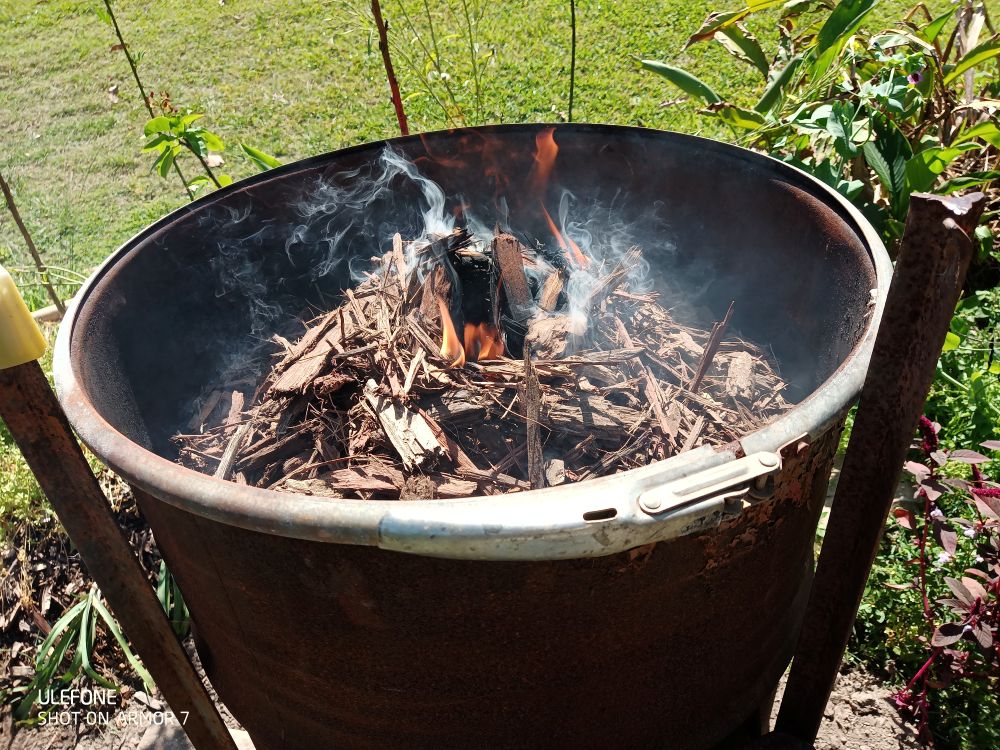
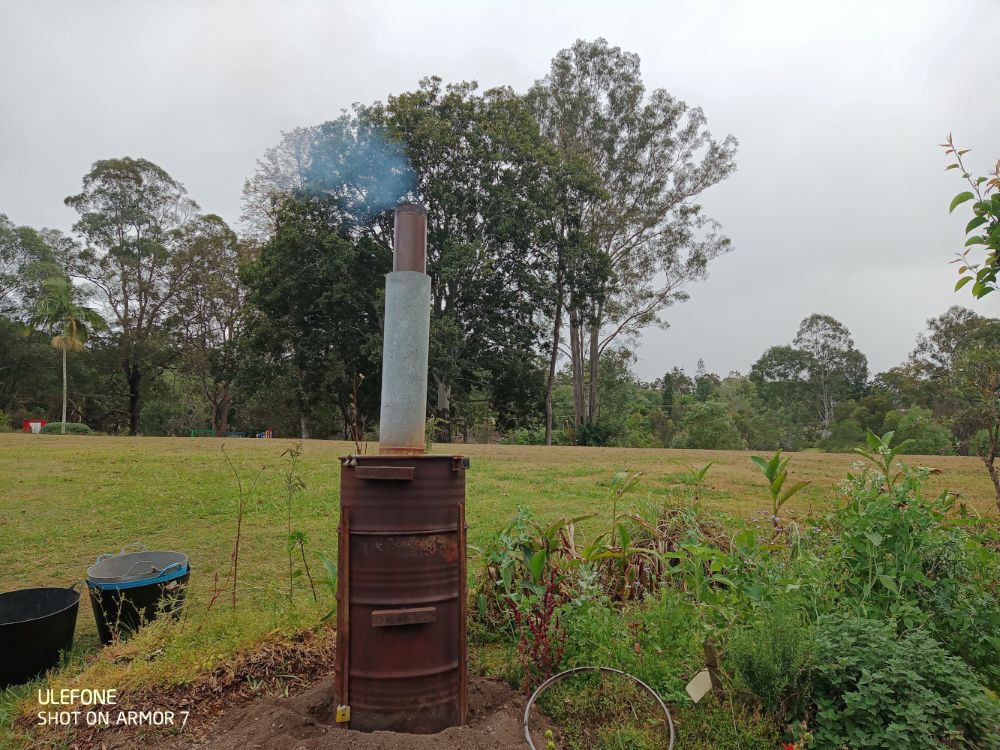
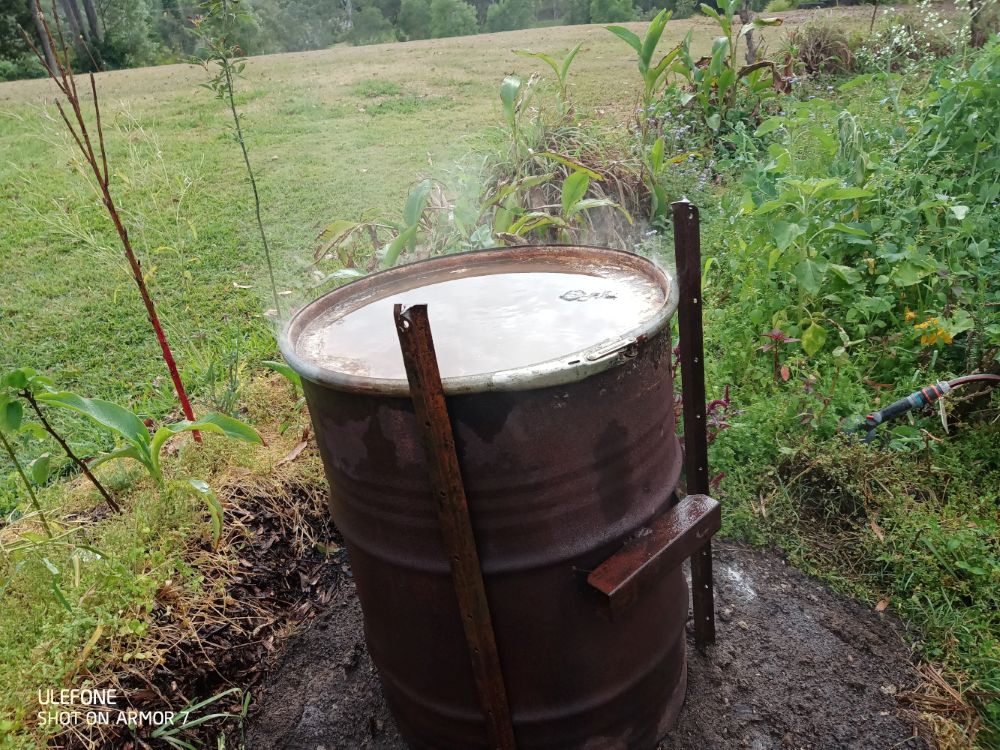
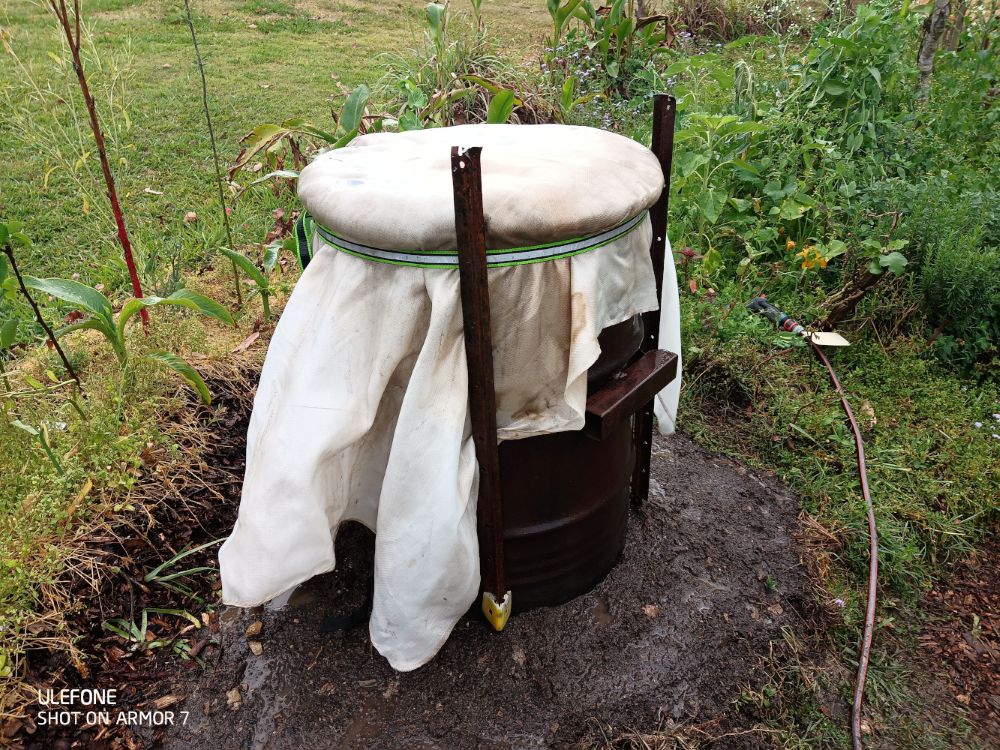
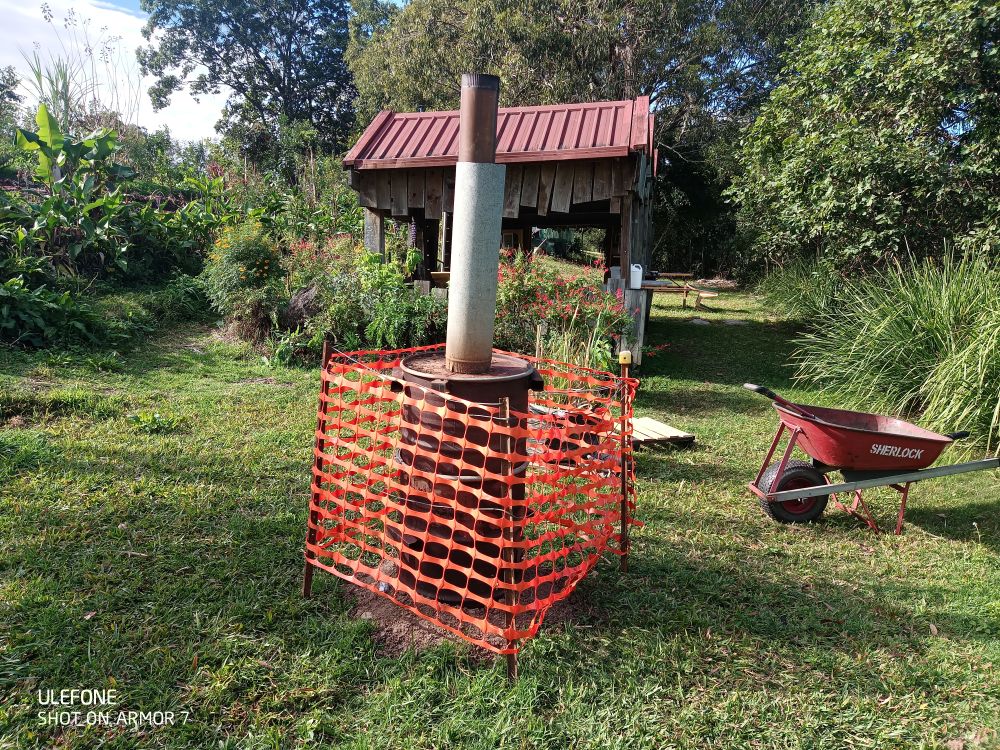
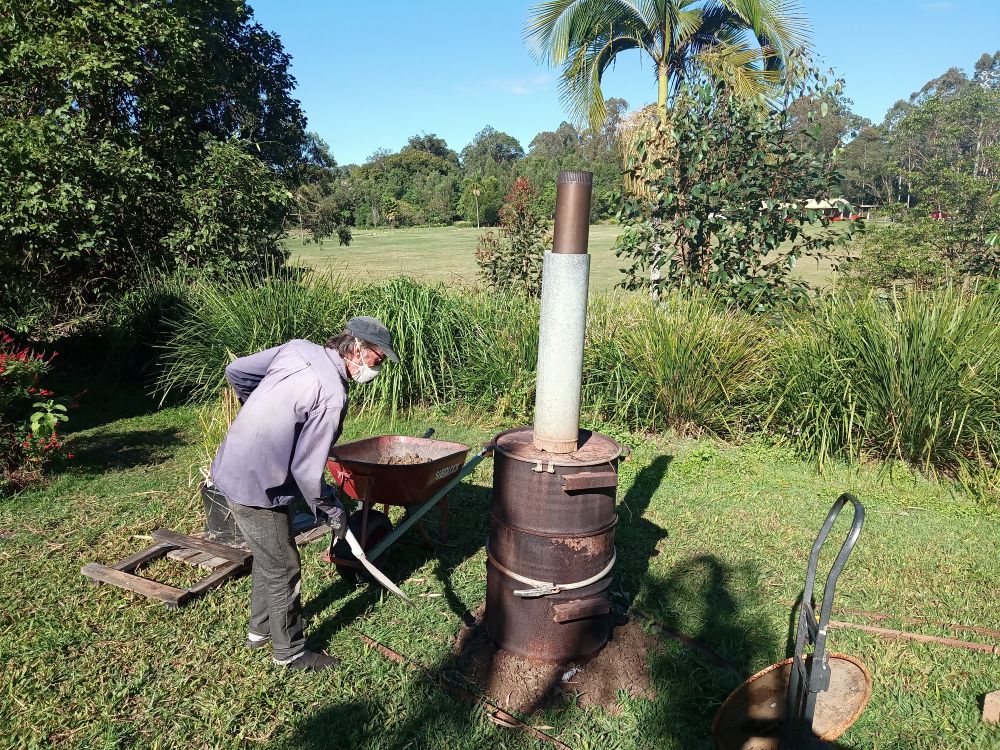
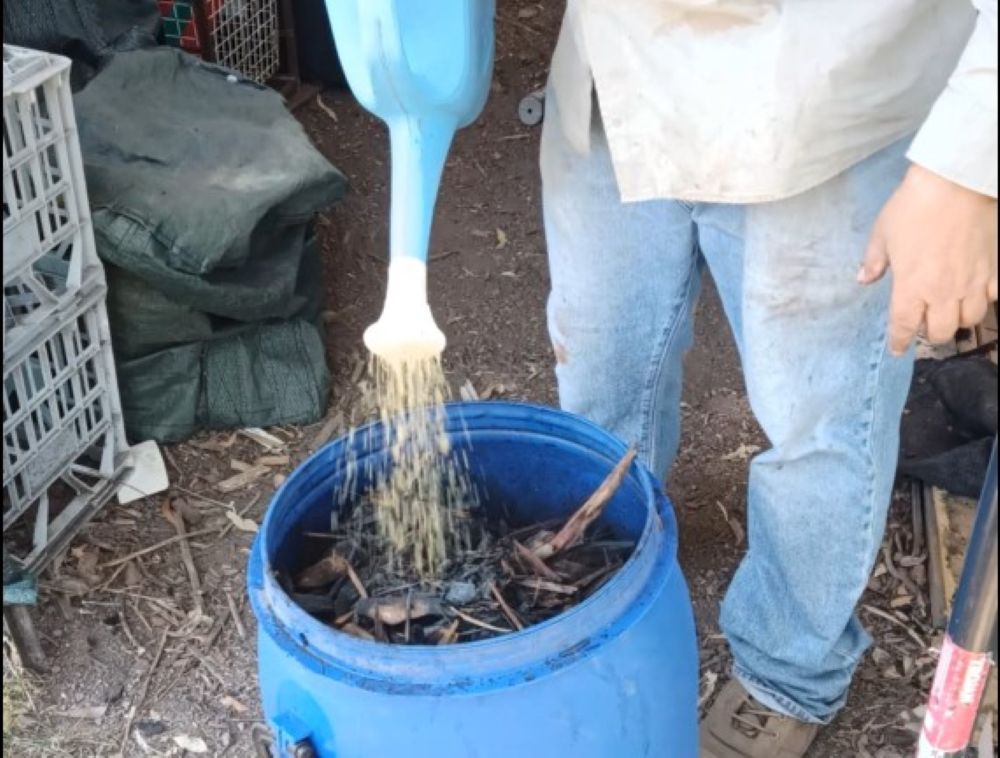
The equipment was a 200-litre, rocket-style biochar maker. It was used intermittently for community experimentation, observation and education—not for the routine disposal of waste.
What is the difference?
An incinerator burns material principally to destroy or dispose of it, generally leaving ash.
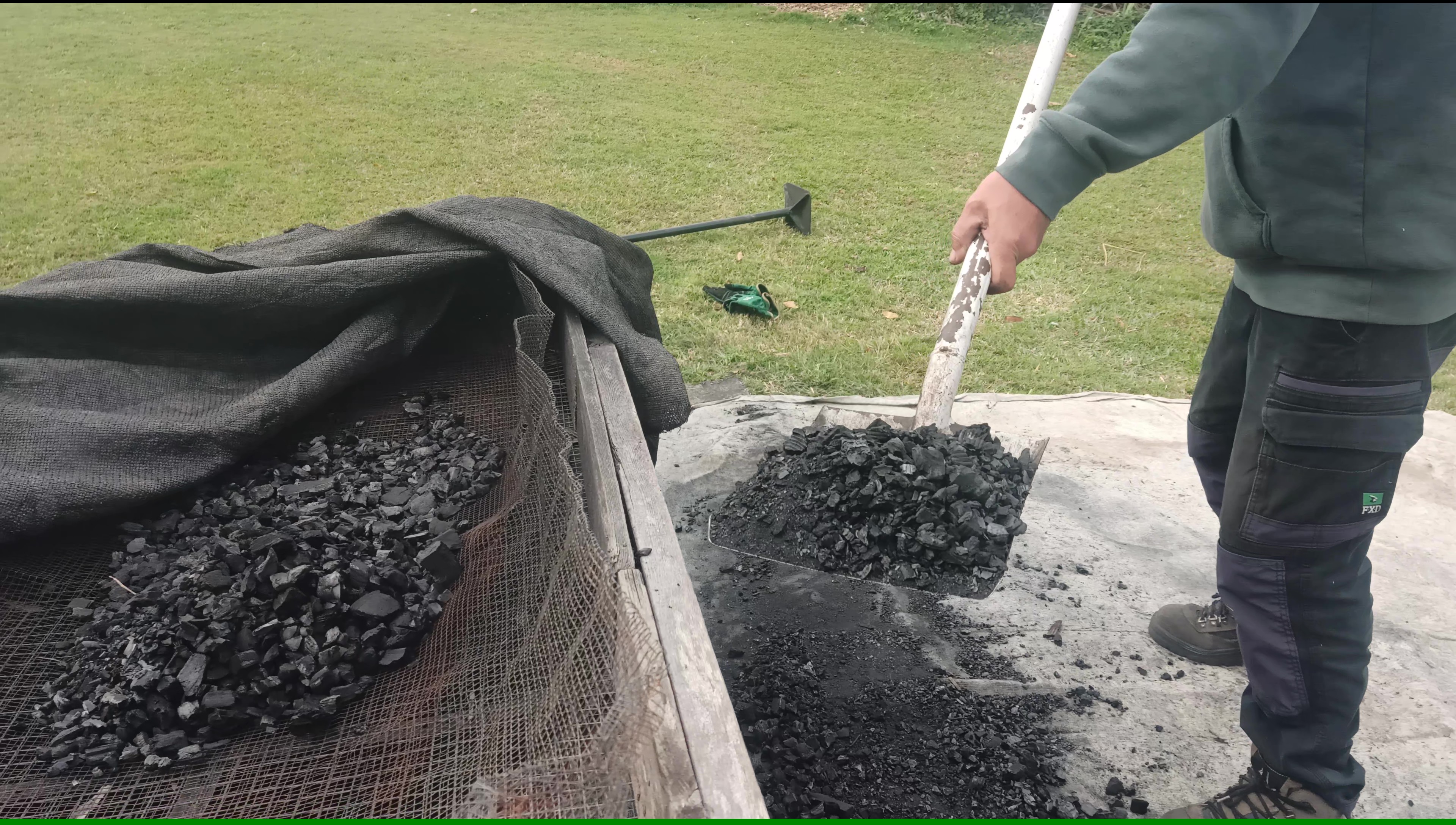
Biochar production heats clean woody biomass under limited-oxygen conditions. Its purpose is to retain a carbon-rich material for use in soil, rather than burning the material completely.
Once conditioned with liquid biofertiliser, biochar can provide habitat for soil microorganisms and may improve the soil’s capacity to retain moisture and nutrients. Because some of the biomass carbon is retained in a relatively stable form, biochar may also contribute to longer-term carbon storage.
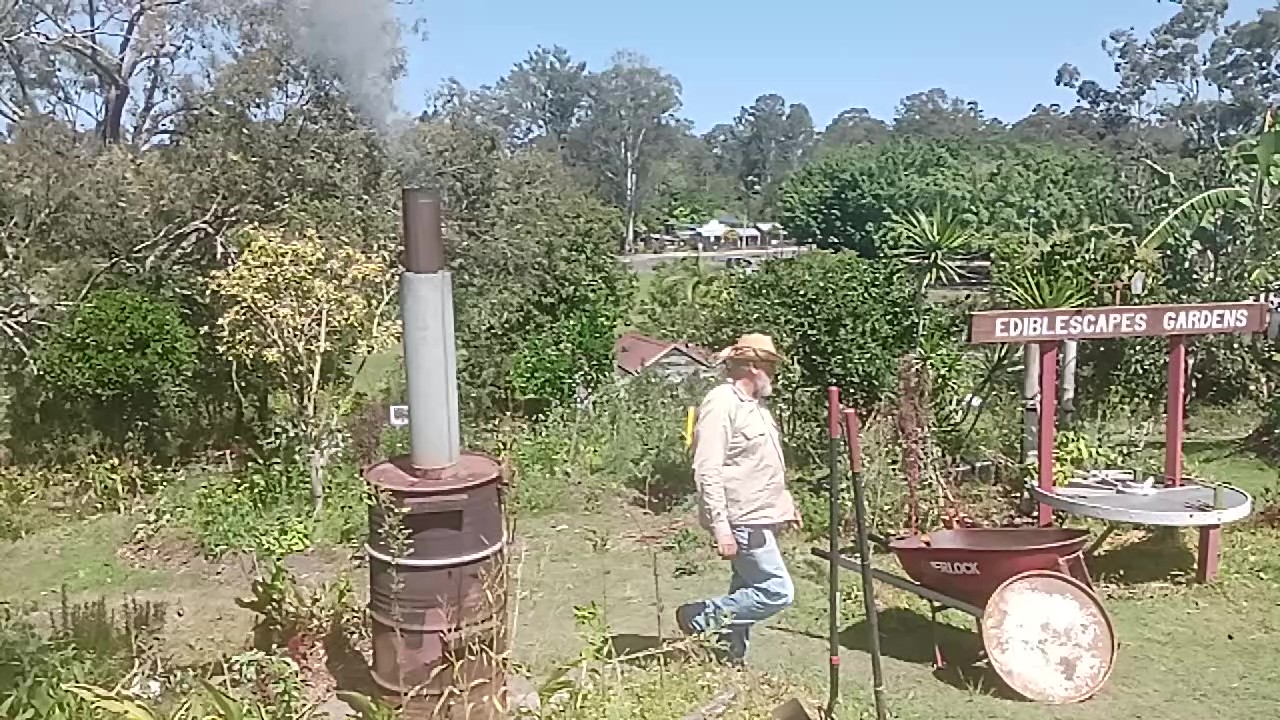
Biochar production is not emission-free. Inappropriate equipment, unsuitable material or poor operating conditions can produce smoke and other emissions. Ediblescapes recognises the need for proper supervision, fire-safety measures and clear approval requirements.
The public record
Ediblescapes’ first documented biochar experiment and learning activity occurred on 23 October 2021. Further intermittent educational activities were publicly documented during 2021–2023.
These activities were openly photographed, discussed and promoted. They were not concealed, and the equipment was not presented or used as a general waste incinerator.
At that time, Ediblescapes occupied the garden through a sublicence arrangement administered by the Nerang Country Paradise Association. For occupation and day-to-day site matters, the Association—not the City—was Ediblescapes’ principal point of contact.
Before using the equipment, Ediblescapes sought and understood that it had received verbal permission through this arrangement, subject to operating conditions. We now recognise that verbal permission obtained through an intermediary may not have constituted the City’s required written approval.
This context matters. It demonstrates that Ediblescapes did not intend to conceal the activity or deliberately bypass an approval process. It also reveals the uncertainty created by an indirect governance arrangement in which Ediblescapes had no consistent, direct pathway for discussing community-education activities with the City.
The matter was addressed
The biochar maker was discussed when Ediblescapes negotiated its first direct Deed of Licence with the City in 2024. Ediblescapes explained its purpose, discontinued the activity and removed the equipment. The City subsequently issued the Deed of Licence.
We do not suggest that issuing the Deed amounted to formal approval of the earlier activity. However, the matter was known, discussed and acted upon before the first direct licence was issued.
The current situation
Ediblescapes does not currently produce biochar, and the garden does not depend upon it.
Our soil-building practices centre on mulch, compost, perennial roots, biofertilisers and the cultivation of diverse soil biology. The living garden itself demonstrates the results of years of ecological care and community learning.
Ediblescapes accepts that clearer written approval should have been obtained. What we dispute is the characterisation of an openly documented, small-scale biochar learning activity as the unauthorised operation of a waste incinerator—and its later use as grounds for ending the garden’s licence after the activity had ceased and the equipment had been removed.
We seek a fair and proportionate assessment of what occurred, including its educational purpose, the historical sublicence arrangement, the permission Ediblescapes understood it had received and the corrective action already taken.
The constructive way forward is a direct City contact, a clear written approval pathway and proportionate operating conditions for community-learning activities.
This statement is offered respectfully to correct the public record and support a fair, evidence-based conversation.
Supporting record
First documented experiment—23 October 2021:
View the original Facebook record
City correspondence and Ediblescapes’ formal responses:
View the public correspondence
Further timeline information and supporting records will be added as they are prepared.